LUNAR ROVER BASED
ON A HERMIT CRAB
Endymion
Nature and Form
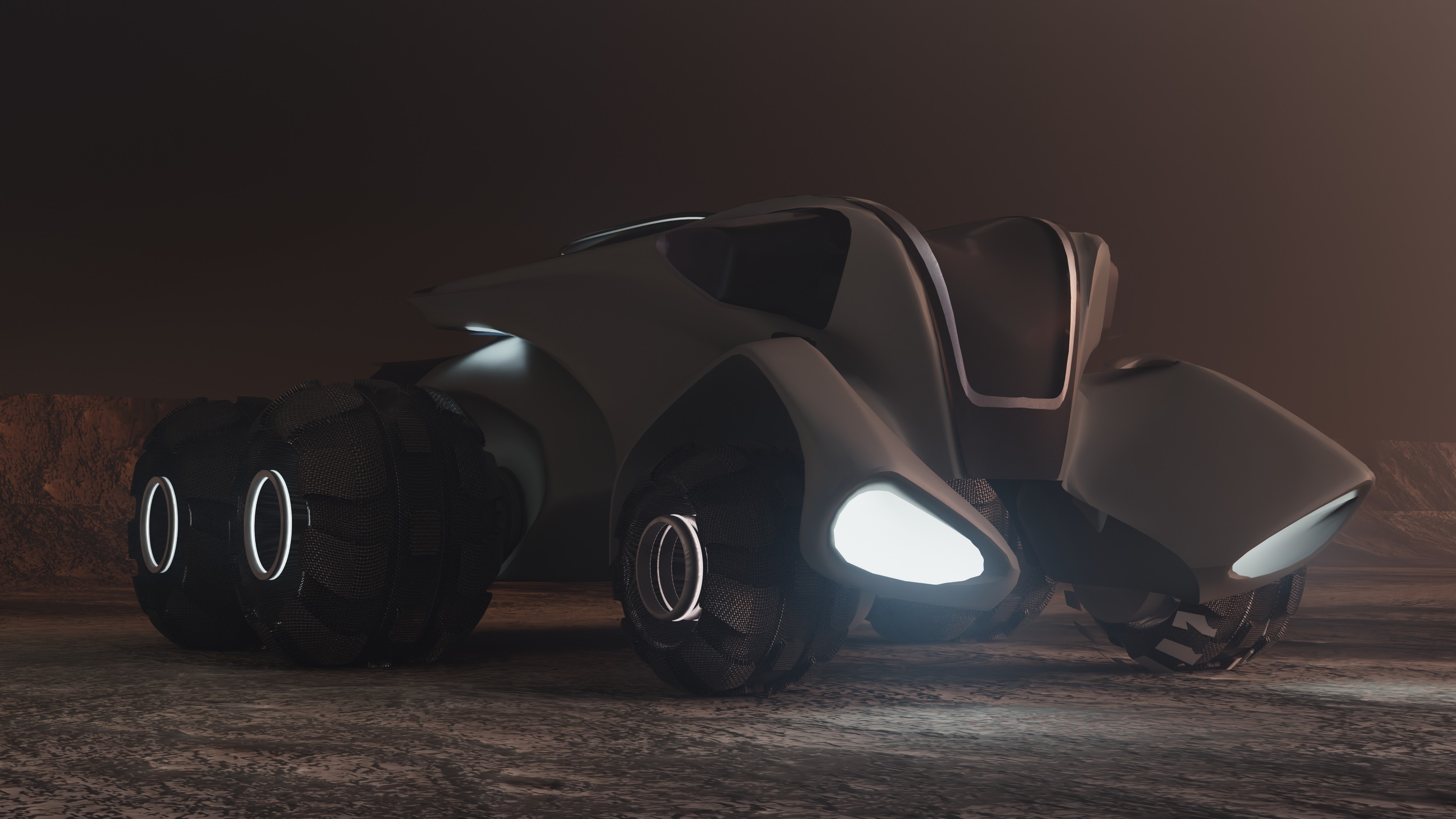
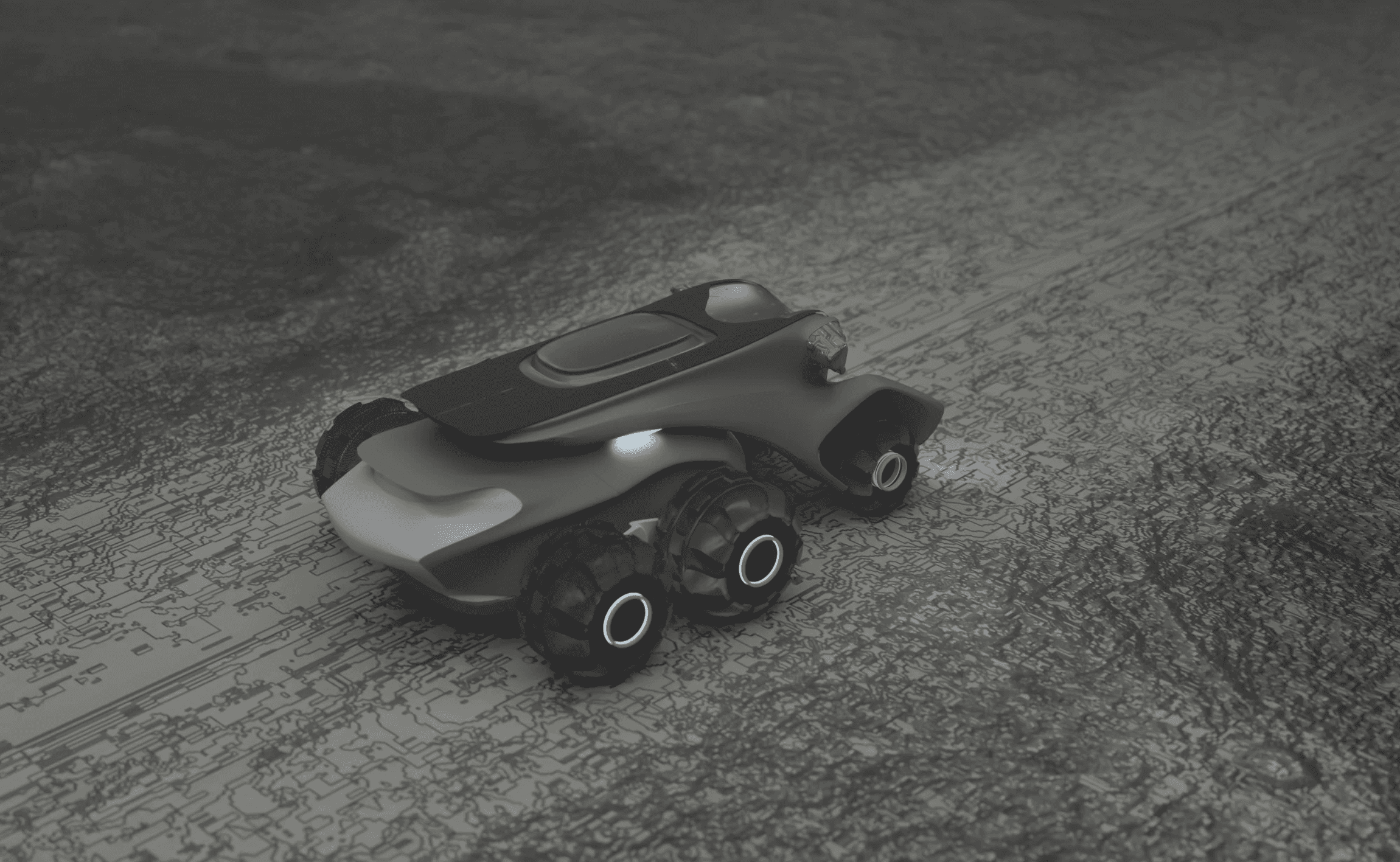
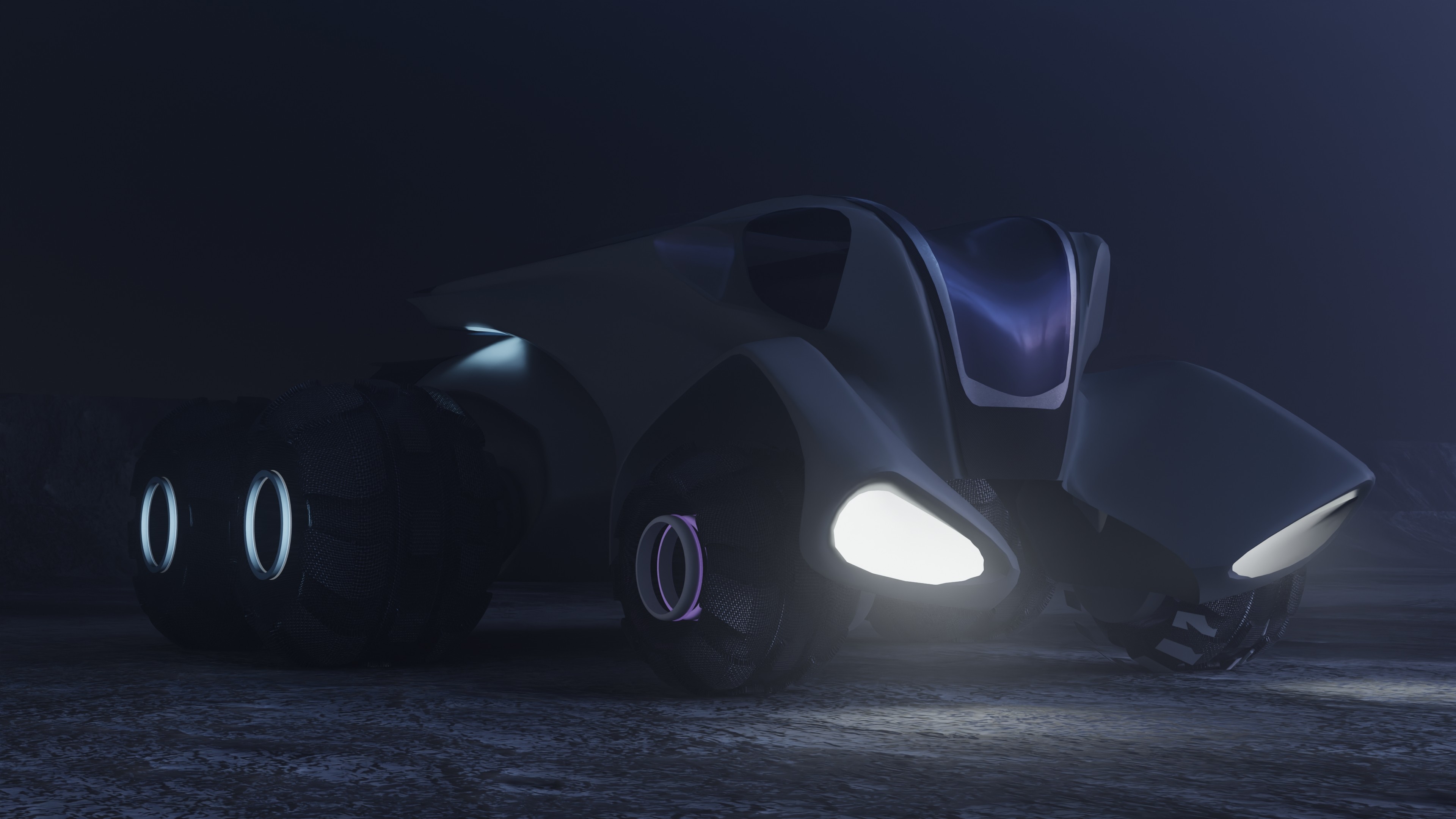
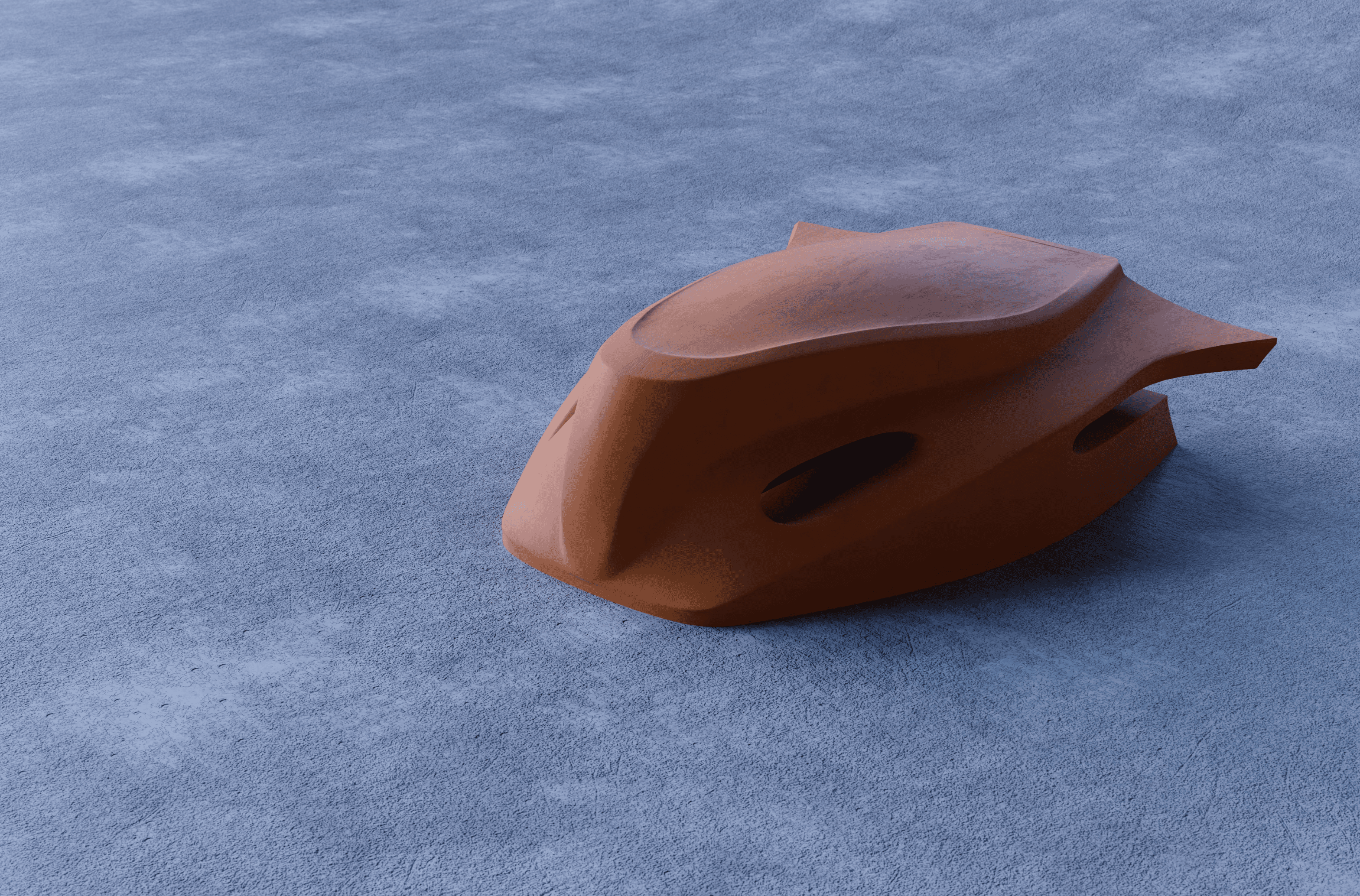
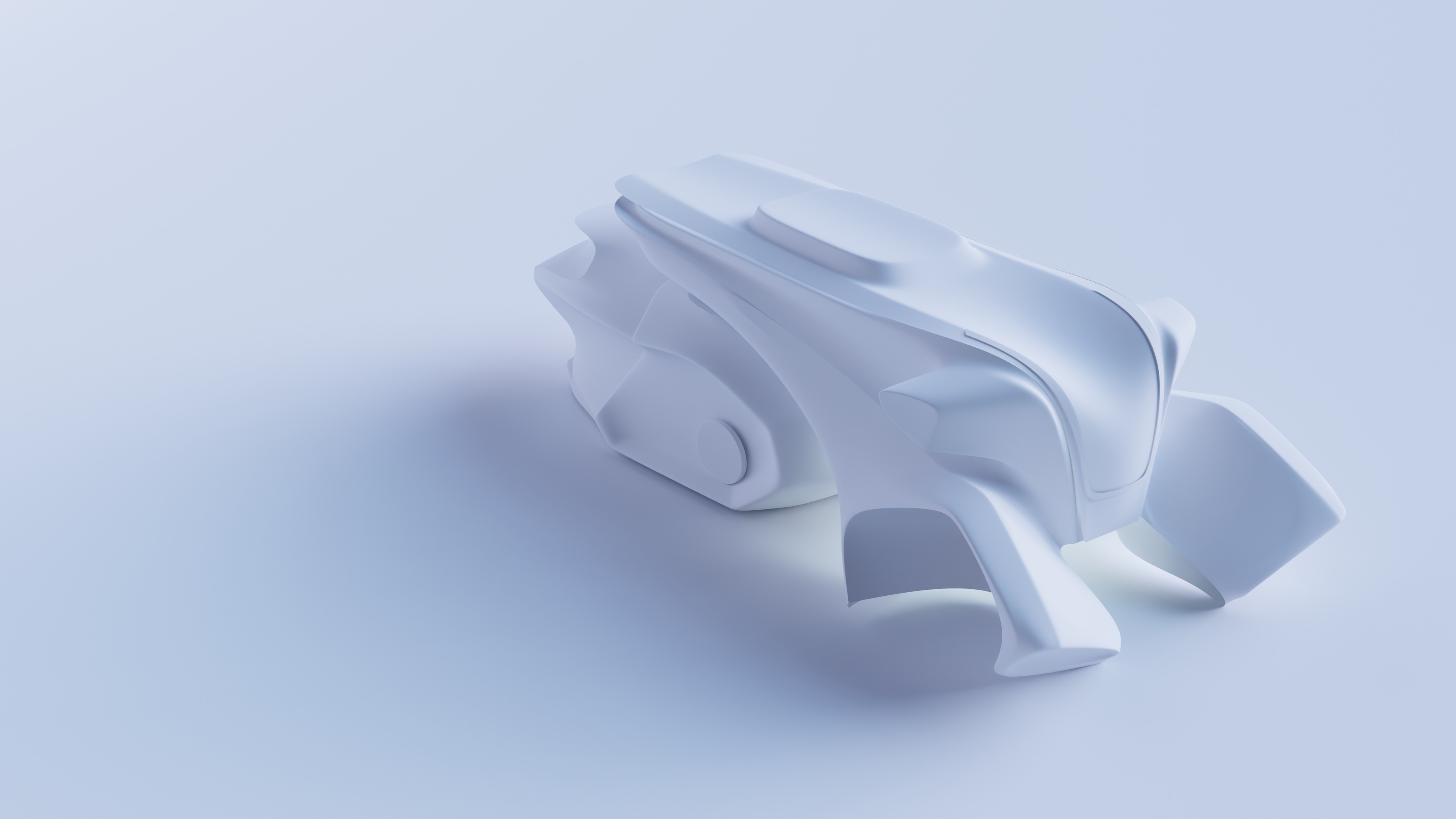
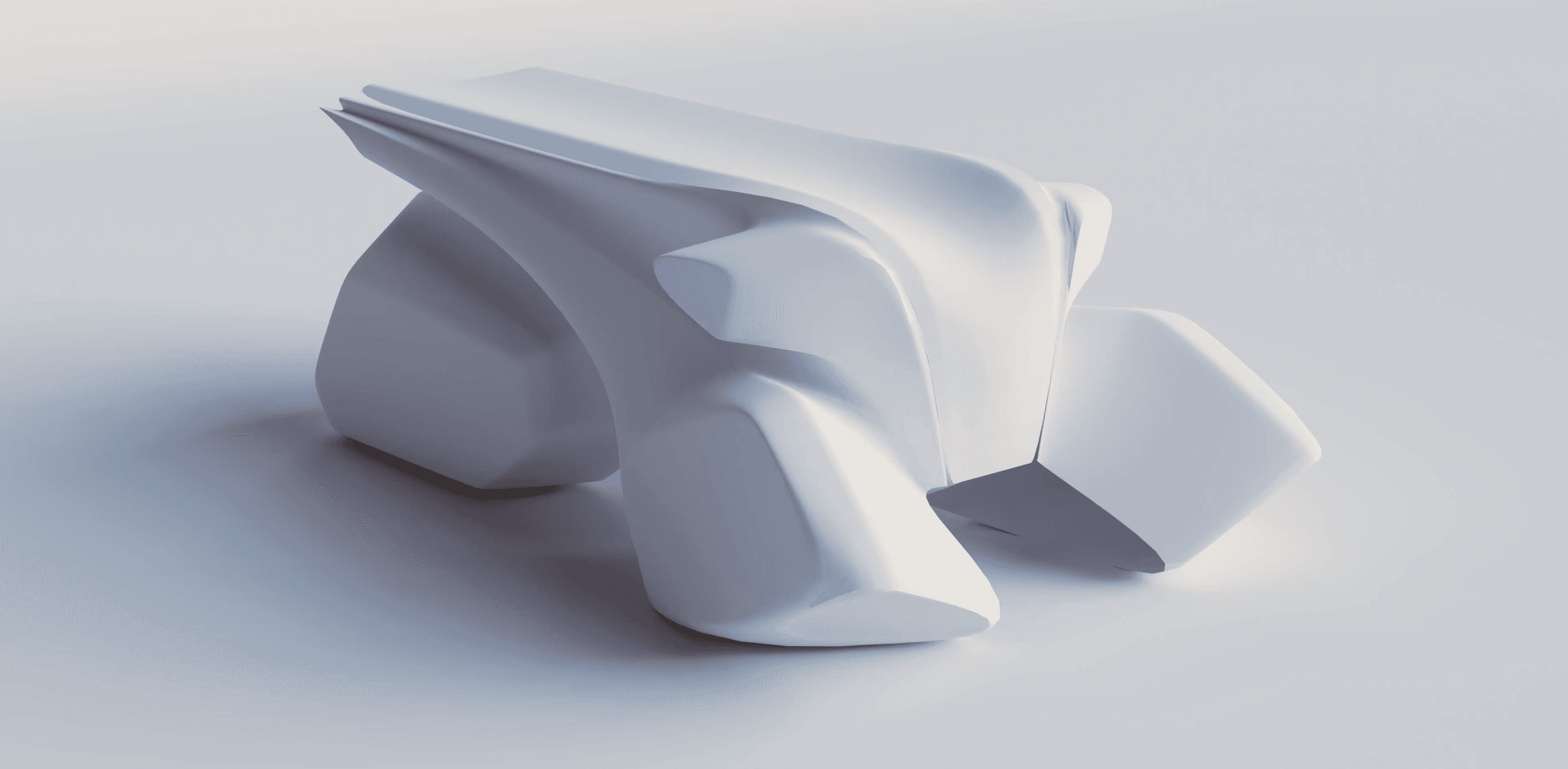
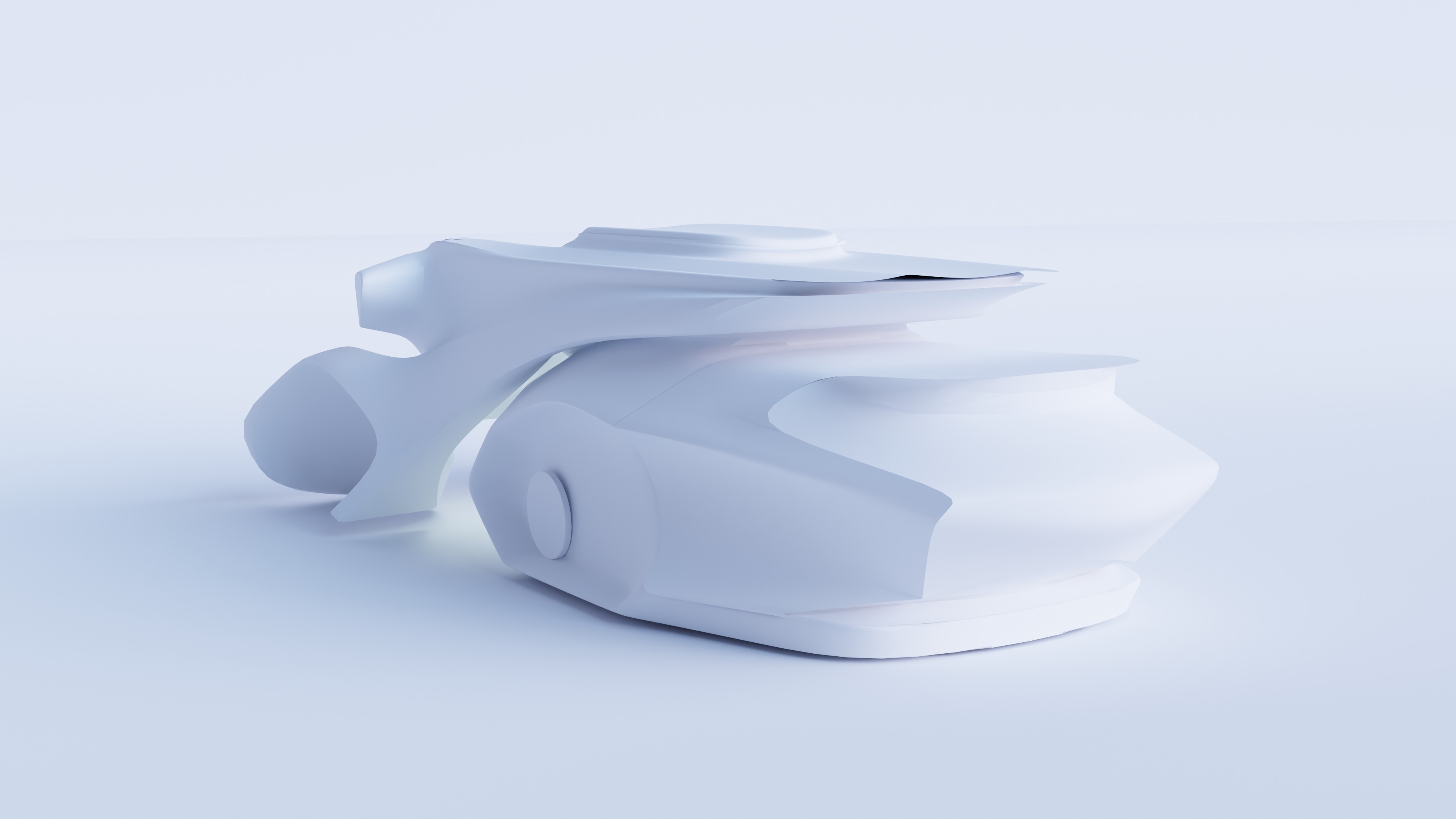
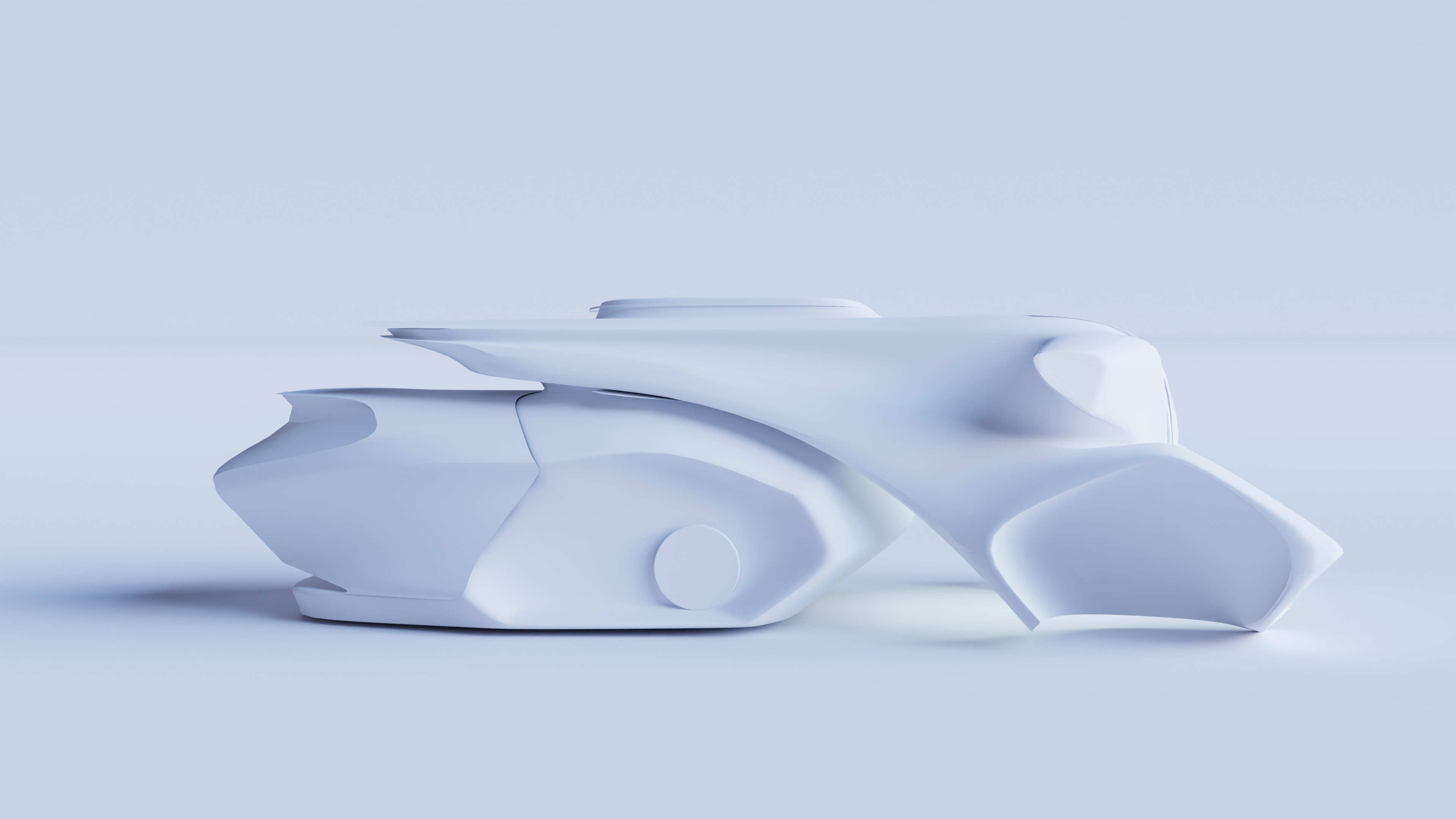
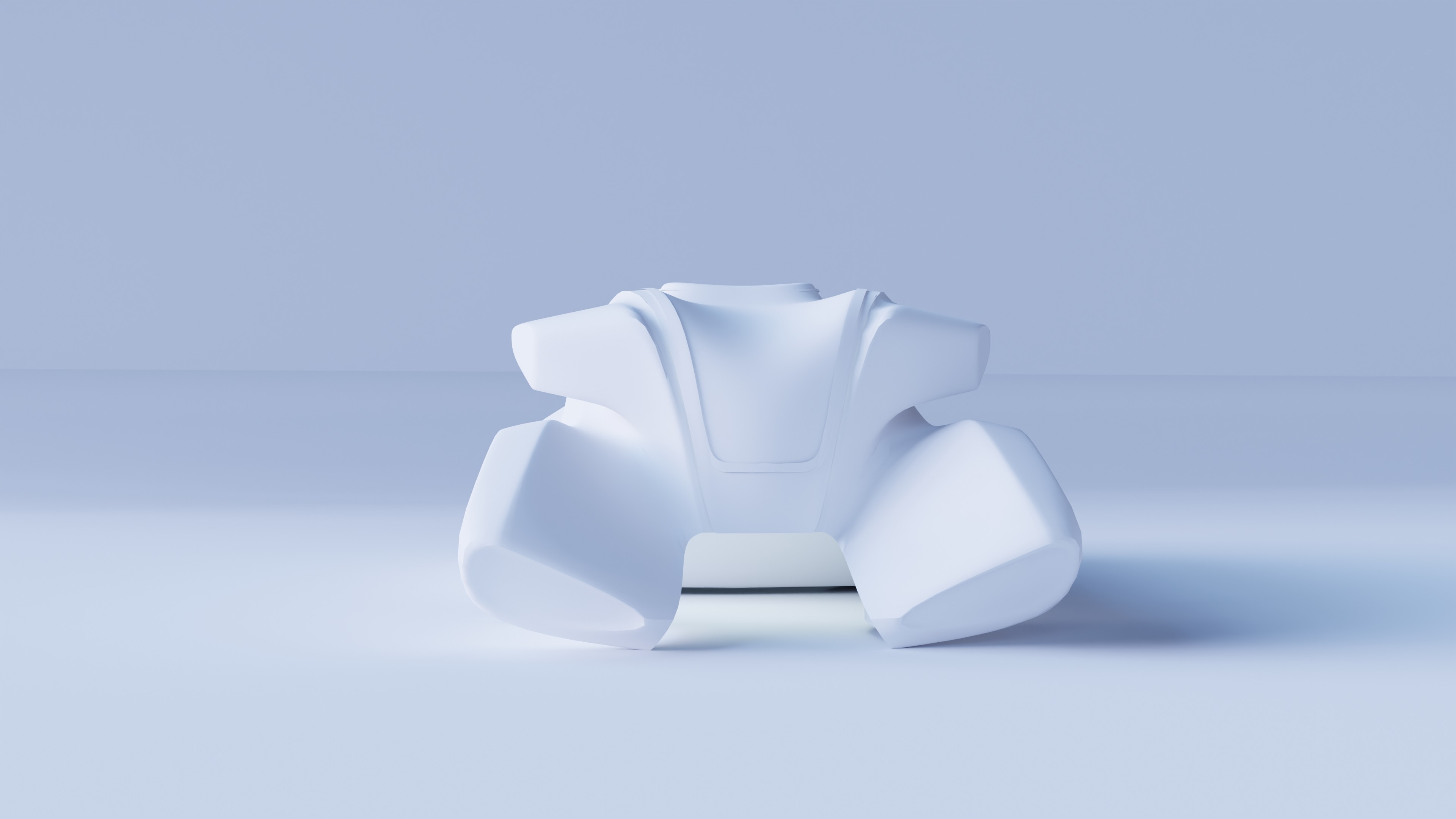
Endymion is a conceptual design of a moon rover inspired by the form and behavior of a hermit crab, that adapts to its environment and embodies the idea of nature influencing technology and mobility design.
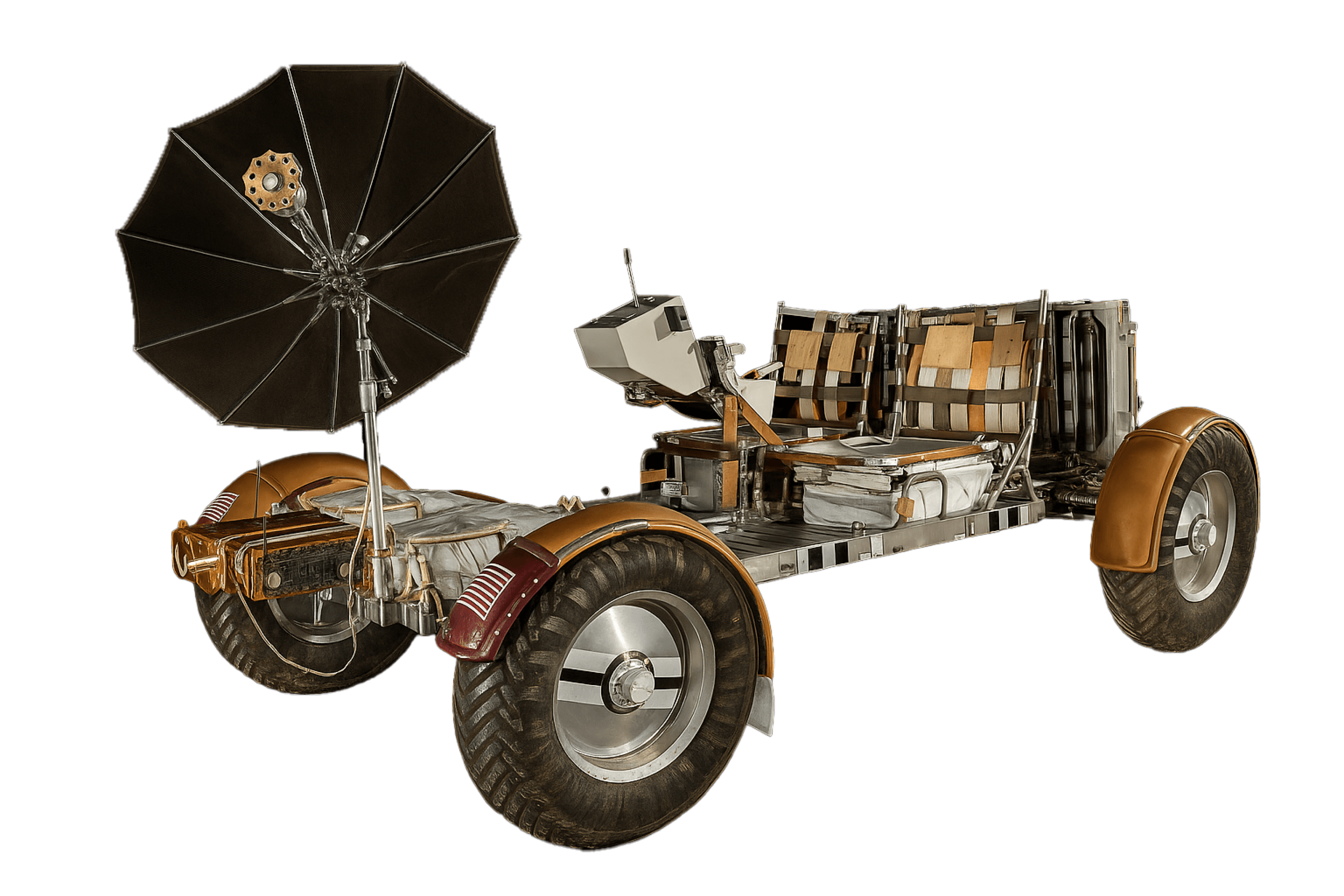
LUNAR ROVER
Developers:
General Motors & Boeing
Weight:
Payload Capacity:
Frame:
Ground Clearance:
Operating Temperature
Range:
Max Speed:
210 kg
490 kg
3.1 m aluminum-alloy foldable for
storage in the Lunar Module)
36 cm (fully loaded)
±500 °F swings
~5–6 mph (8–10 km/h)
Seats: Two foldable nylon-web seats with footrests, Velcro seatbelts, and central armrest
Antenna: Mesh dish antenna mounted at the front
Suspension: Double wishbones with torsion bars and dampers
Protection: Designed to withstand lunar dust, micrometeoroids, and rugged terrain
Handling: Light weight, short wheelbase, and lunar gravity caused wheels to lift off surface frequently
Development Notes: Completed under NASA threat of cancellation; final design prioritized simplicity and durability
Future Prospects
In May, General Motors announced a partnership with Lockheed Martin to build a new
rover for NASA’s Artemis program, which aims to return astronauts to the Moon this decade.
NASA plans two types of vehicles:
The Lunar Terrain Vehicle (LTV) – an unpressurized rover for transporting suited astronauts.
The RACER by Intuitive Machines, Lunar Dawn rover by Lunar Outpost, and FLEX Rover by Astrolab.
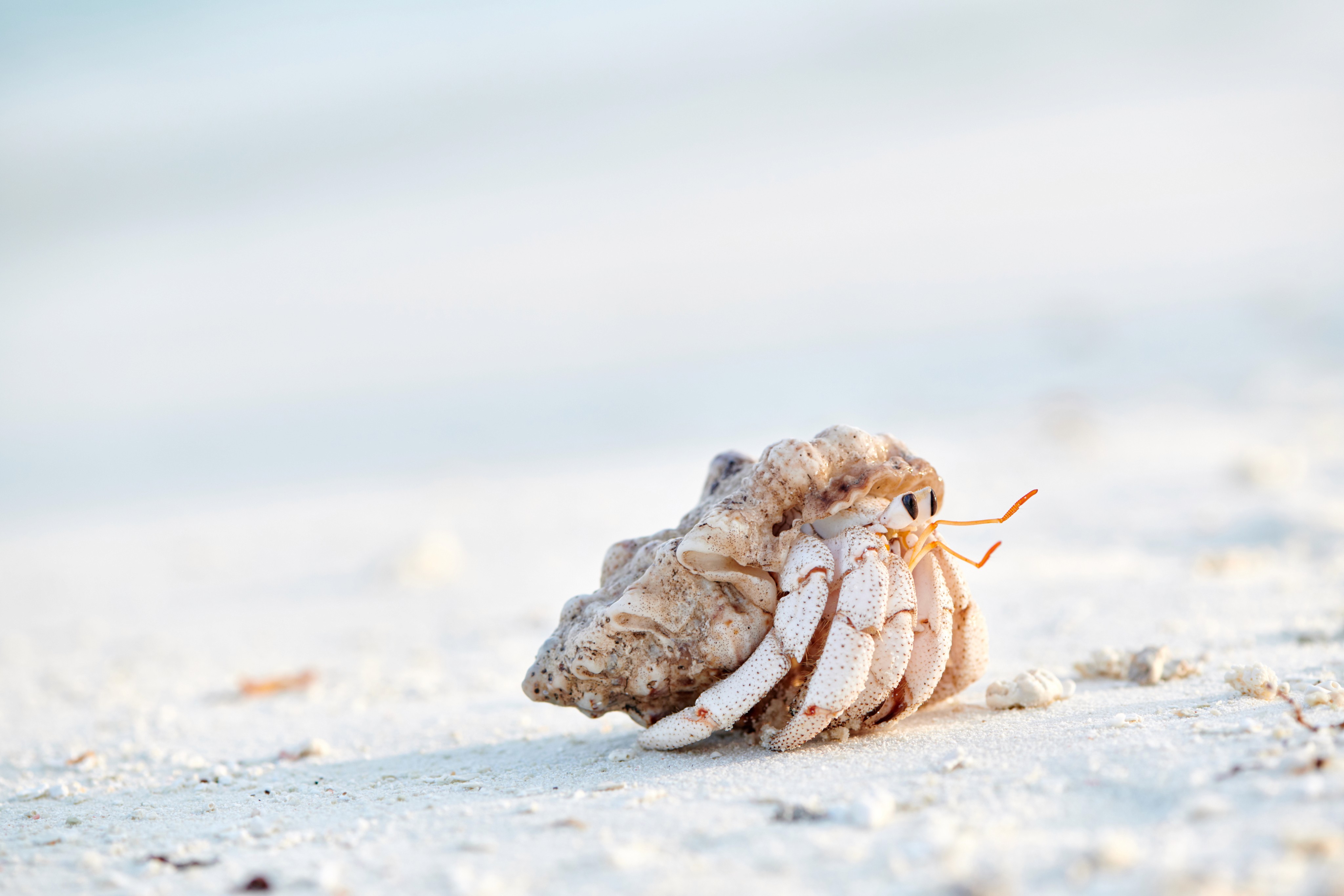
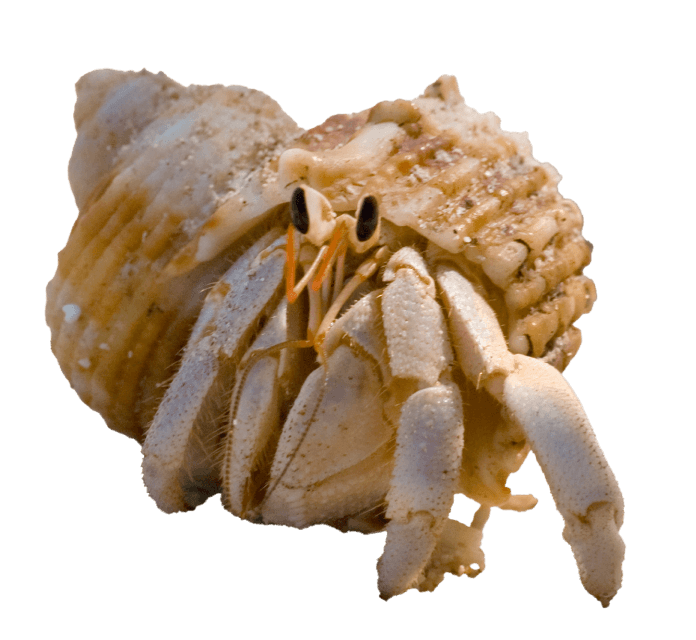
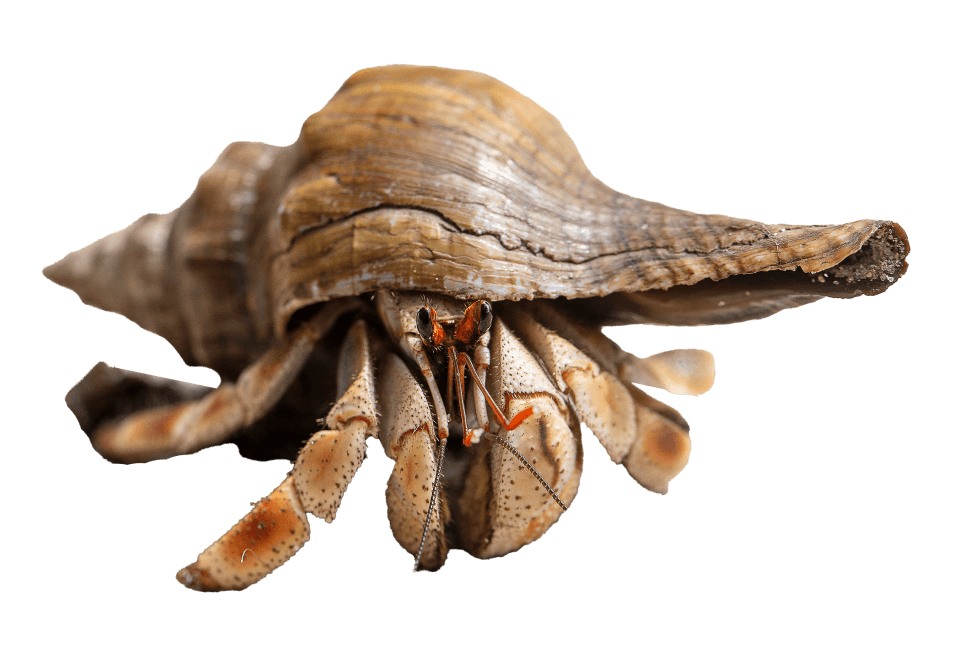
The Hermit Crab
The hermit crab’s adaptability and mobility across diverse terrains make it a strong inspiration for the form of the moon rover.
Just as the crab uses an external shell for protection, humans must develop adaptable technologies to survive on the moon, an environment that is not their natural home.
Its movement through water, where buoyancy simulates reduced gravity, also parallels the low-gravity conditions on the lunar surface, further influencing the design.
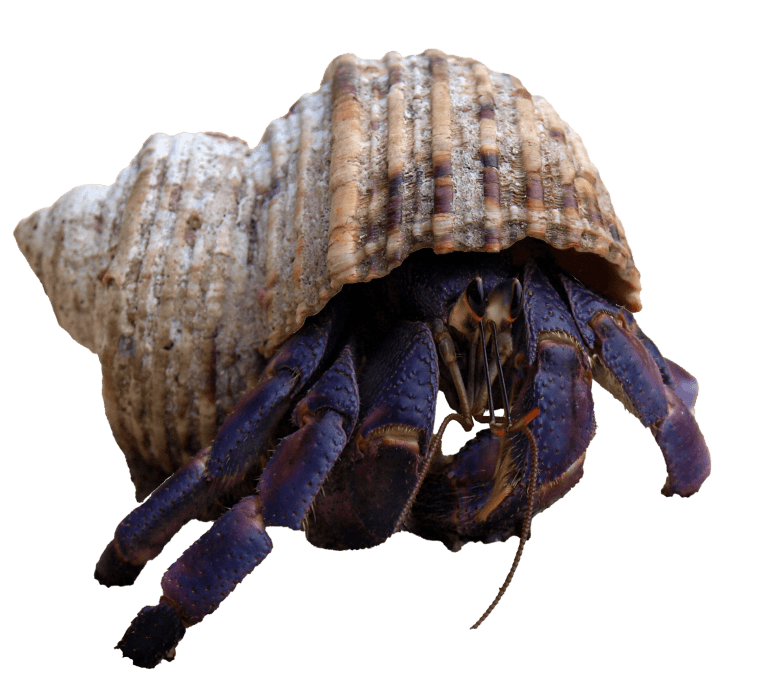
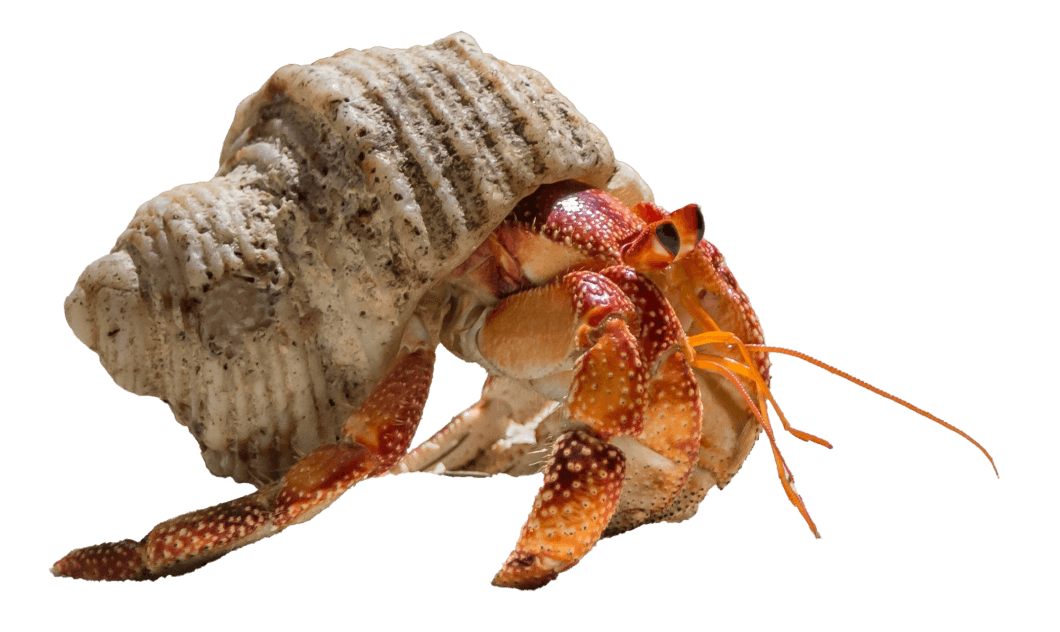
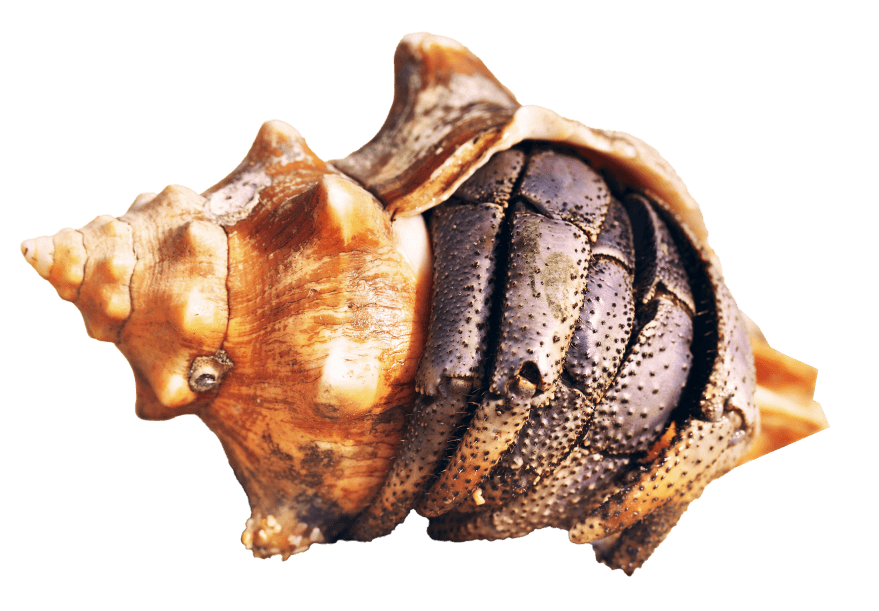
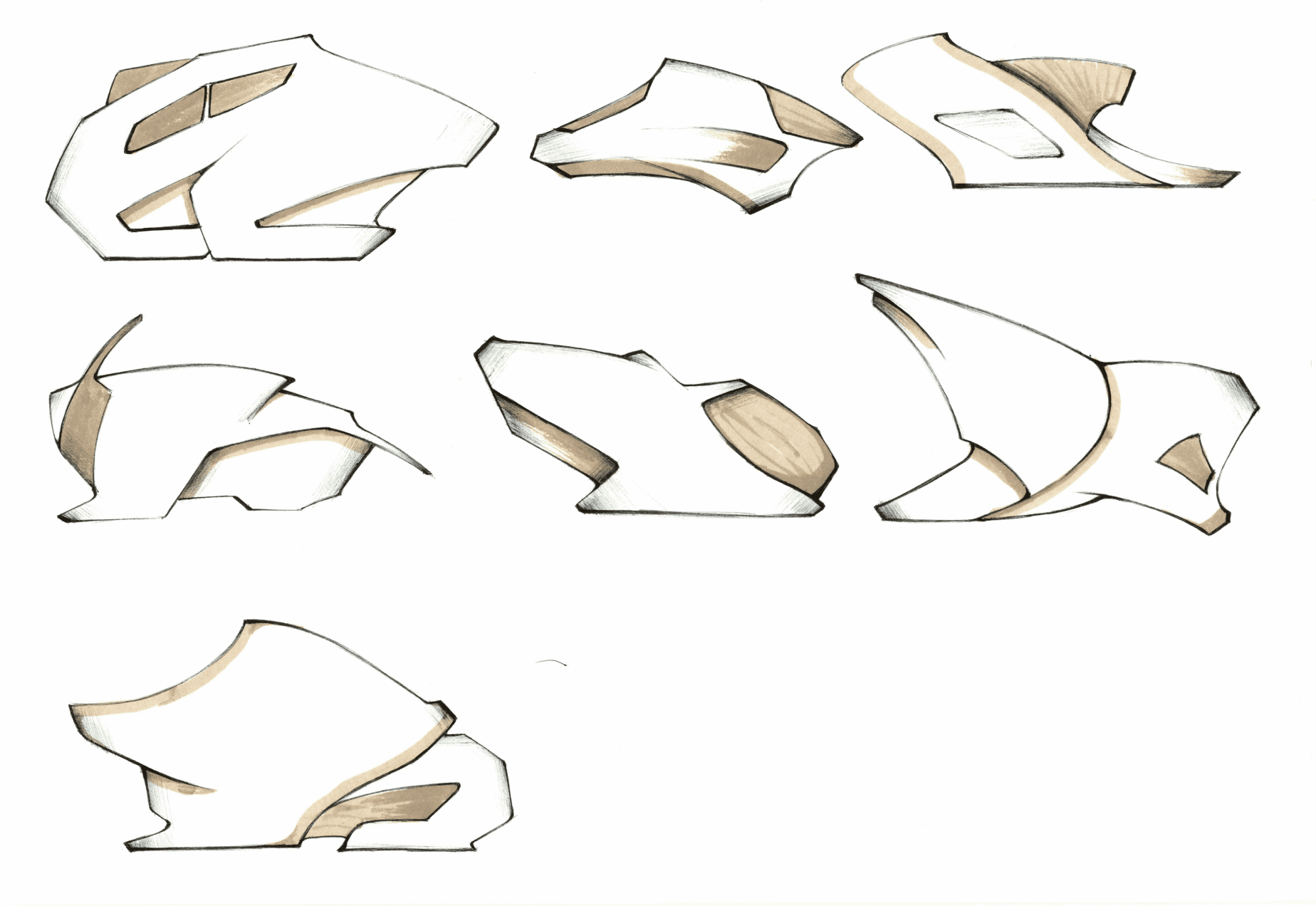
Form Exploration
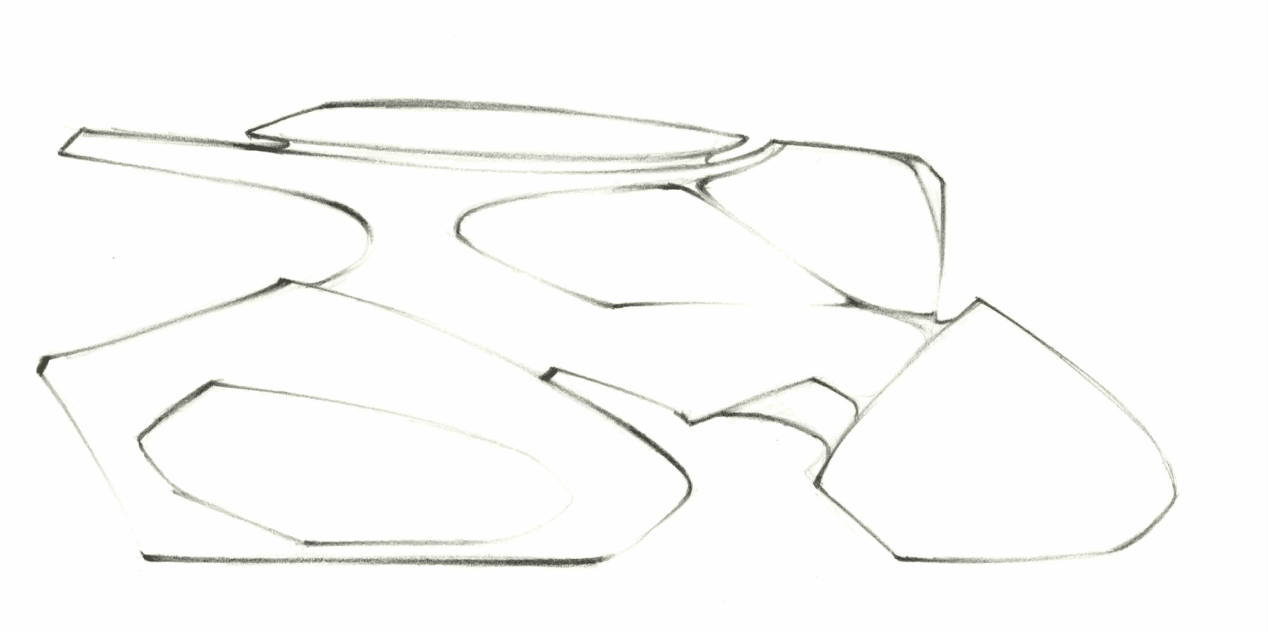
Shape and Structure:
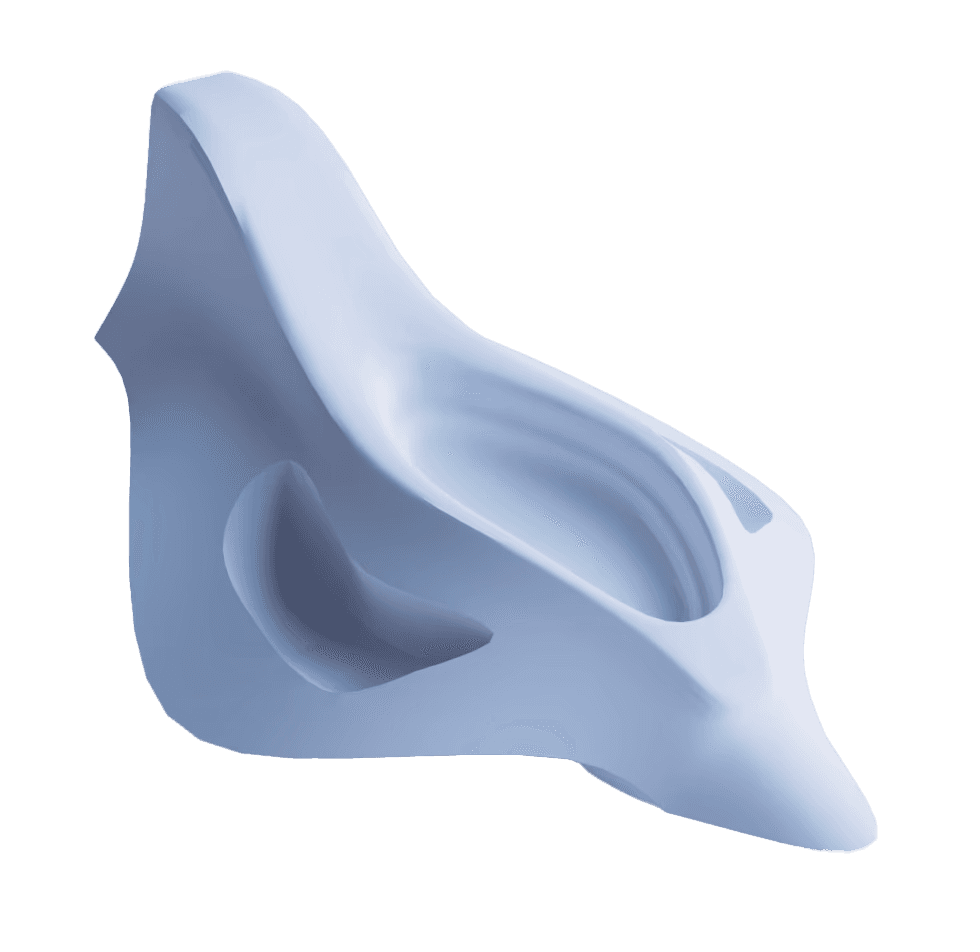
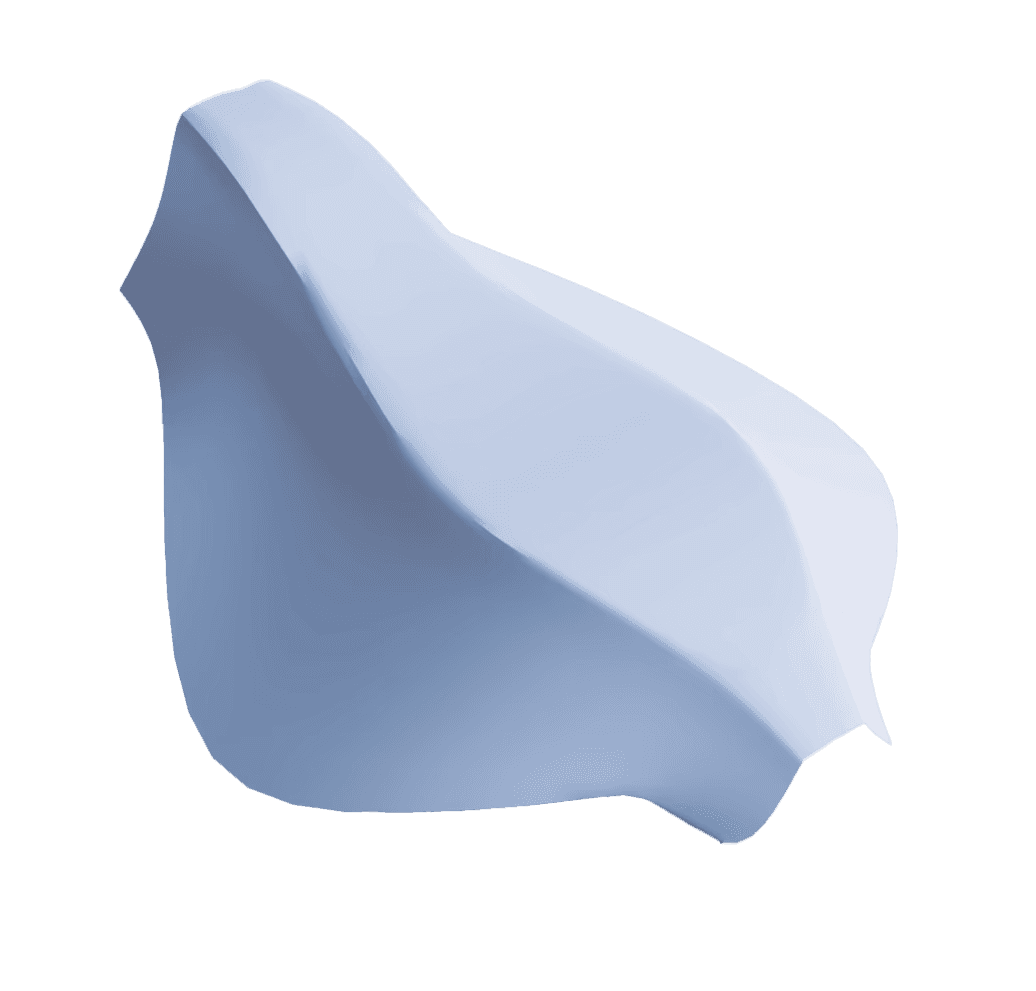
Curvilinear, asymmetrical, articulated, and compact designs mimicking the crab’s form.
Functionality:
Adaptability, modularity, flexibility, and the ability to maneuver through difficult environments, reflecting the crab’s natural behaviors.
Protective Features:
Strong, layered exoskeleton-like outer casing for withstanding the lunar environment.
Sensory Capabilities:
Antennae-like sensors for
real-time data collection
and environmental sensing.
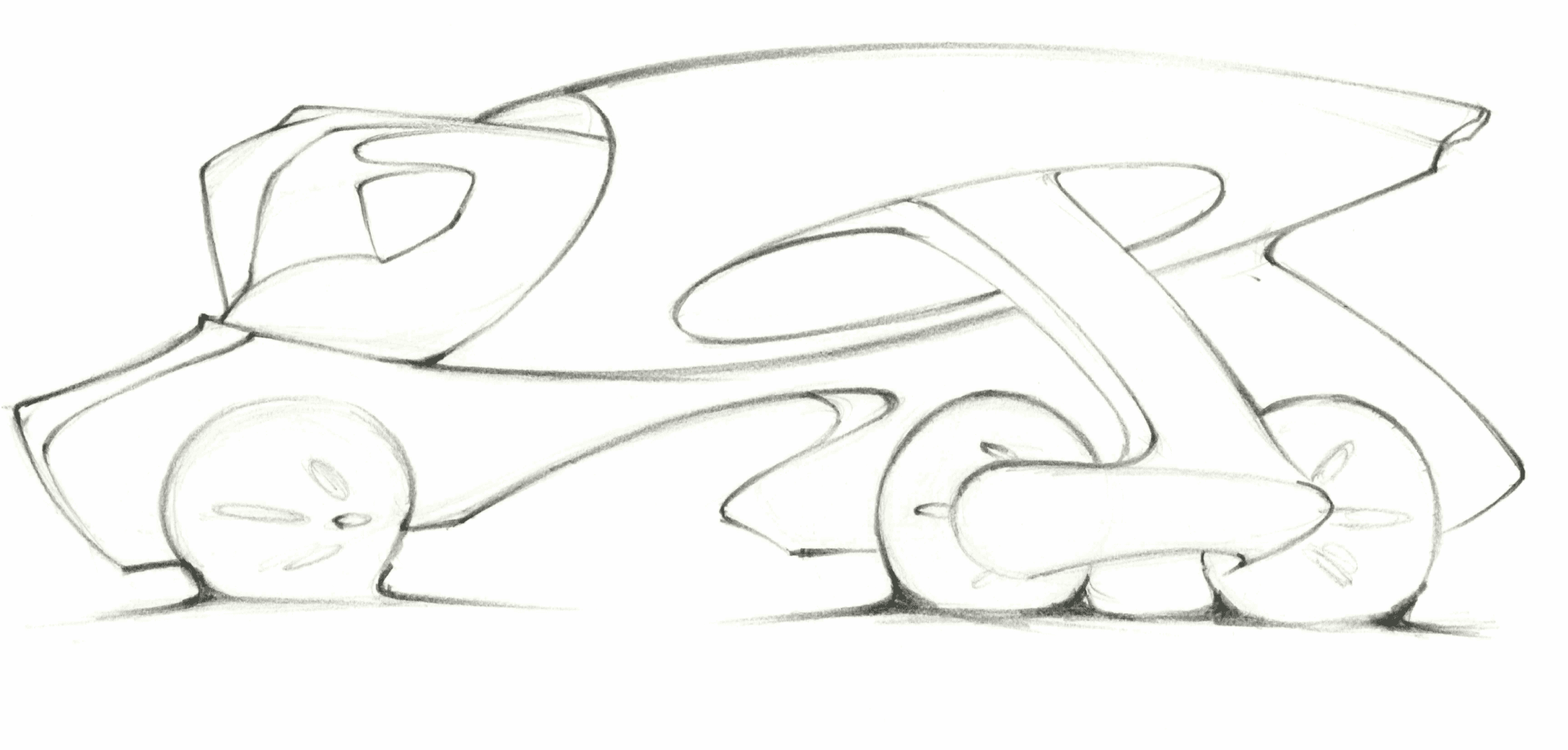
1960s Automotive Trends
Open-frame designs, like dune buggies, inspired exposed framework. Focus on performance and adaptability.
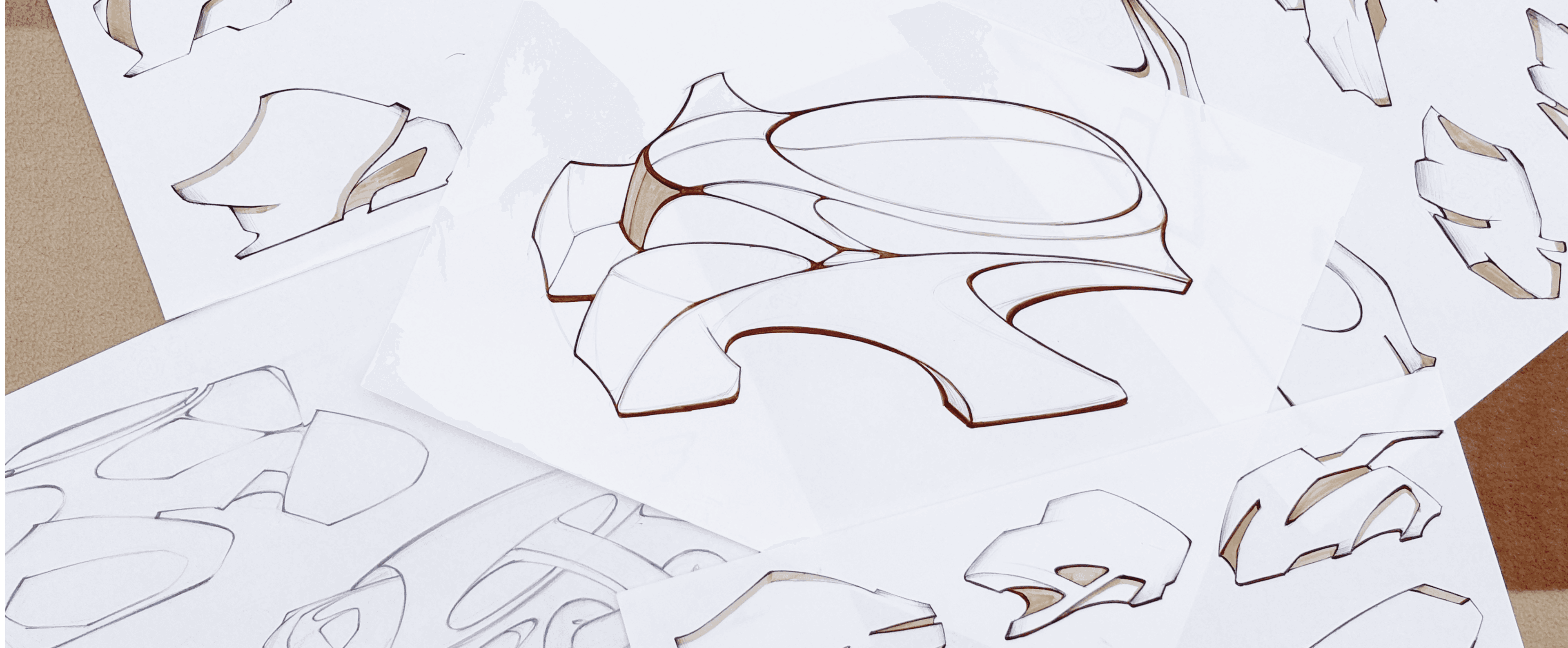
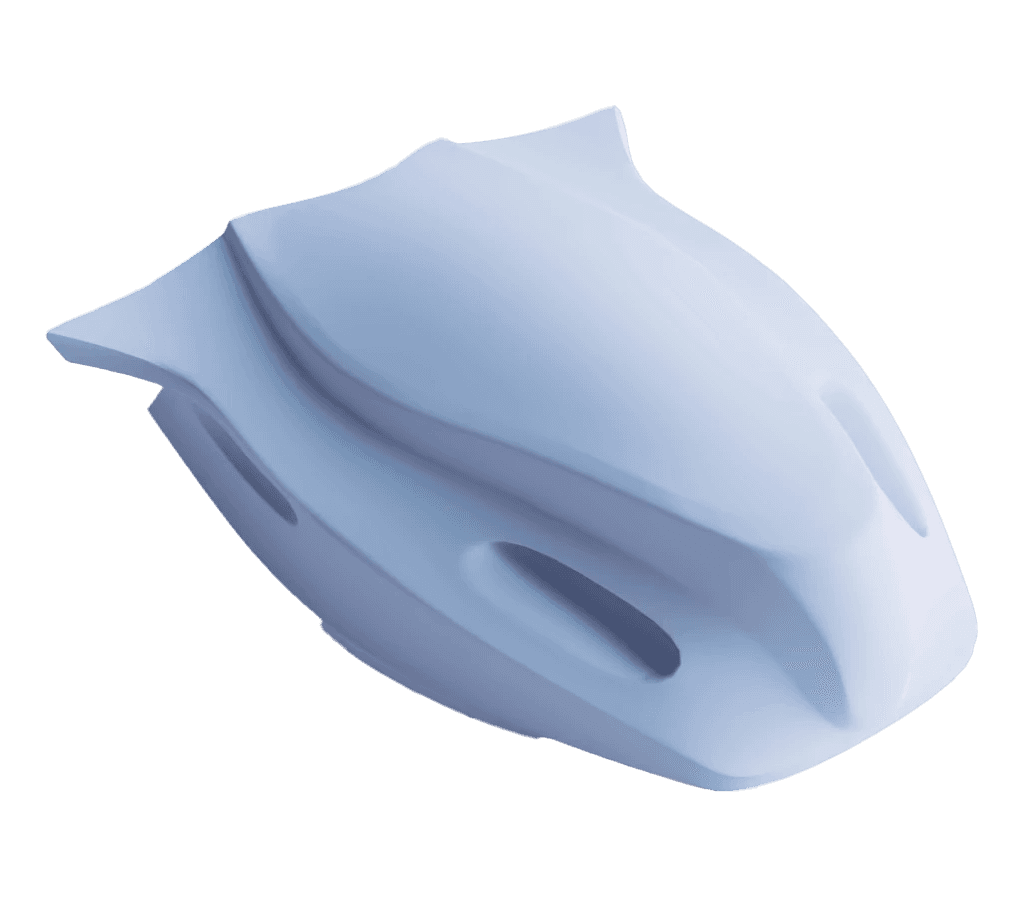
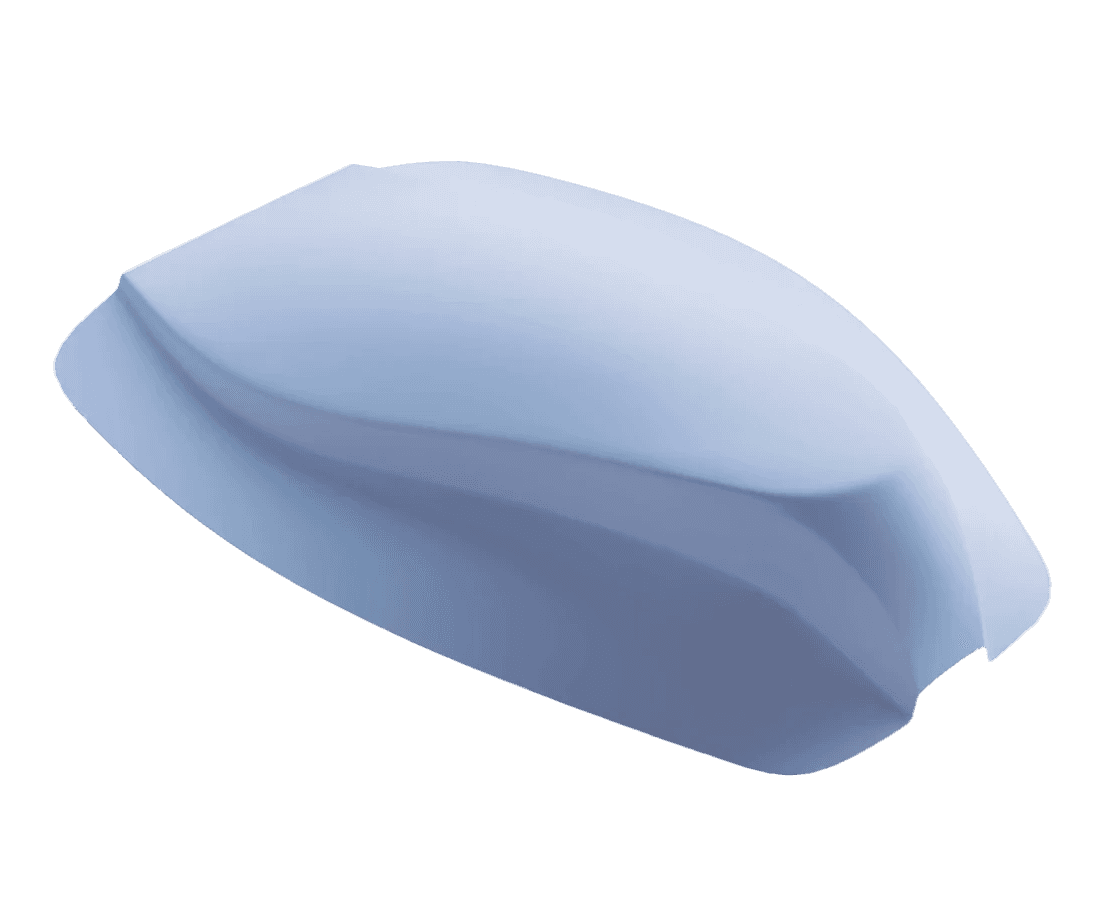
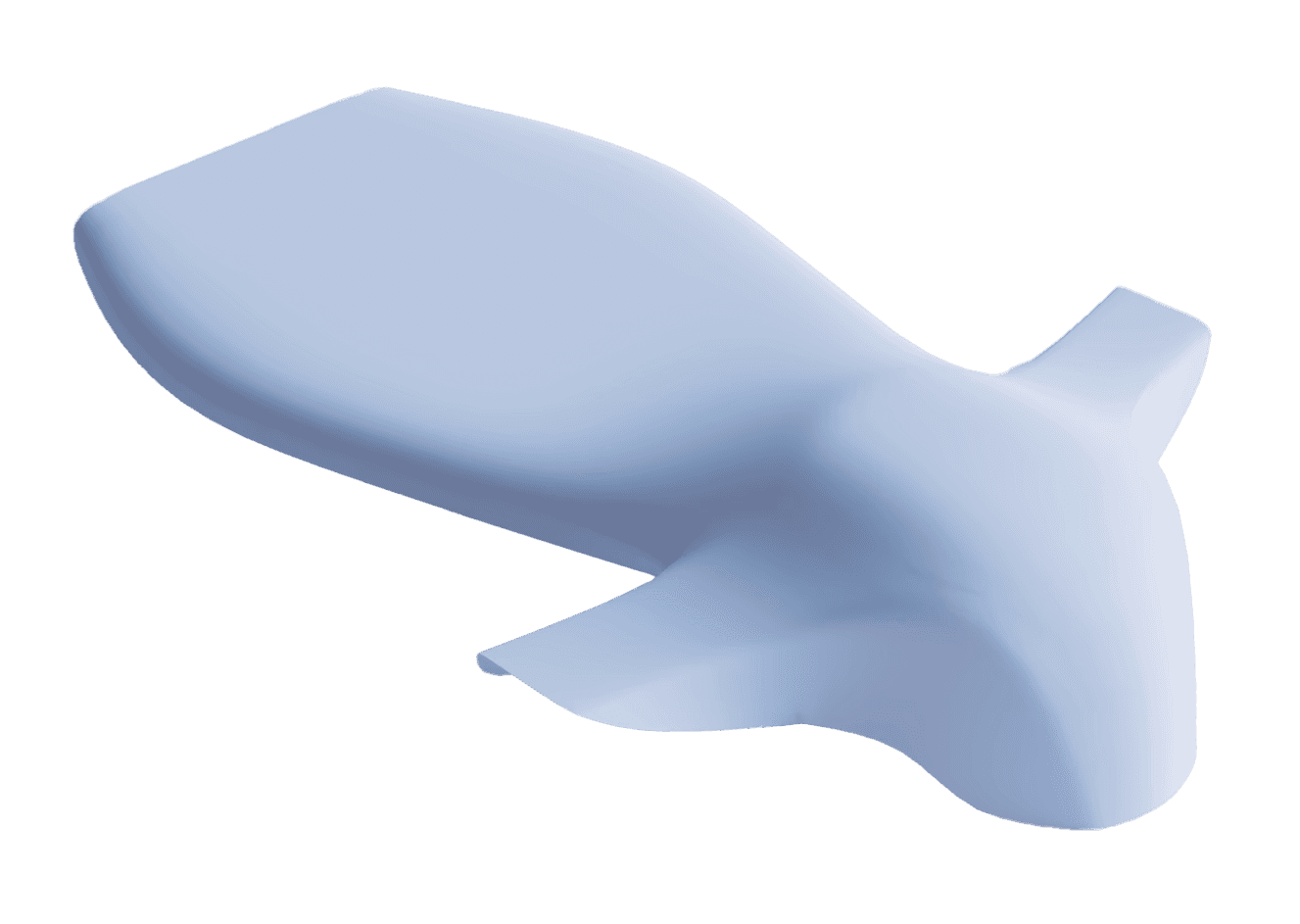
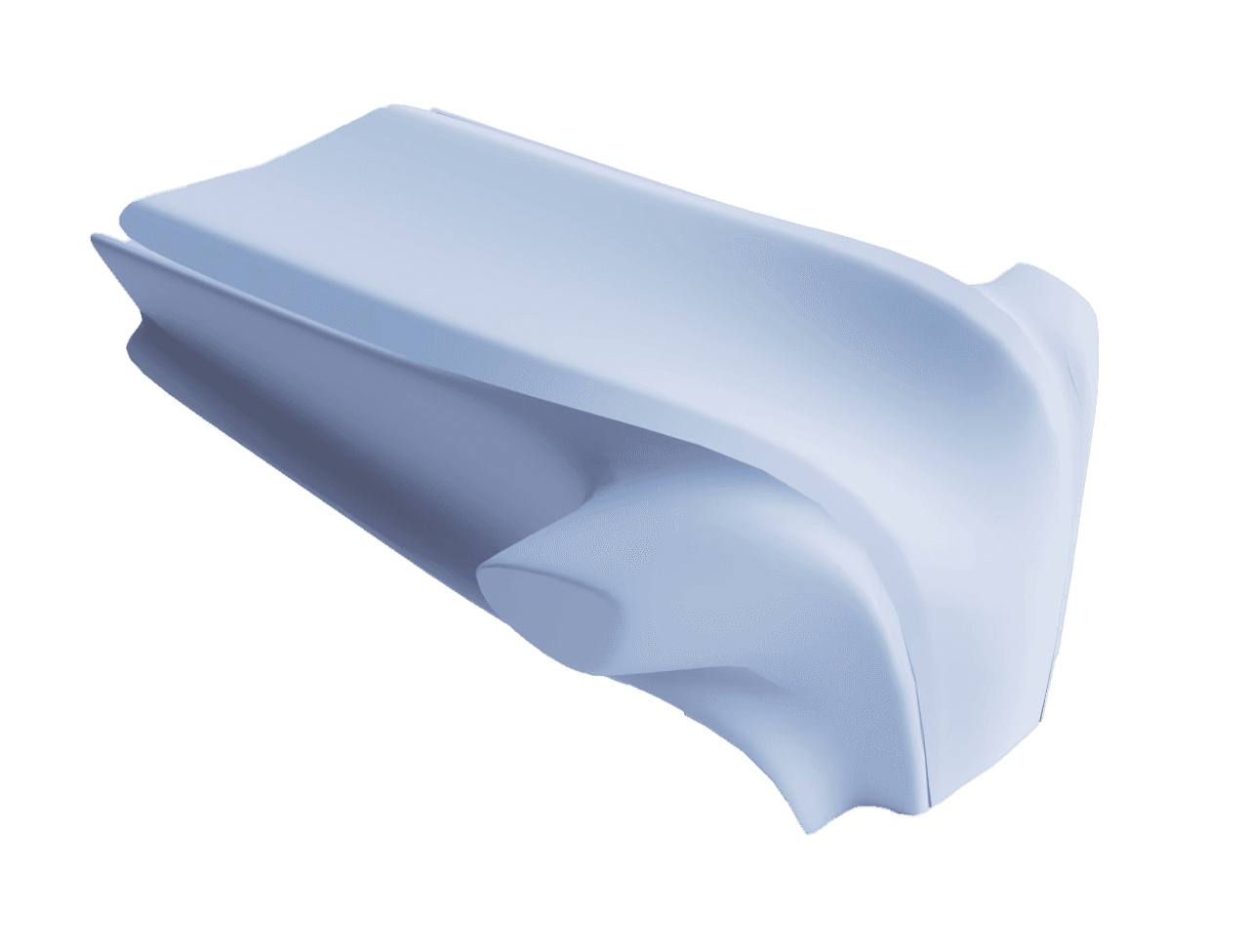
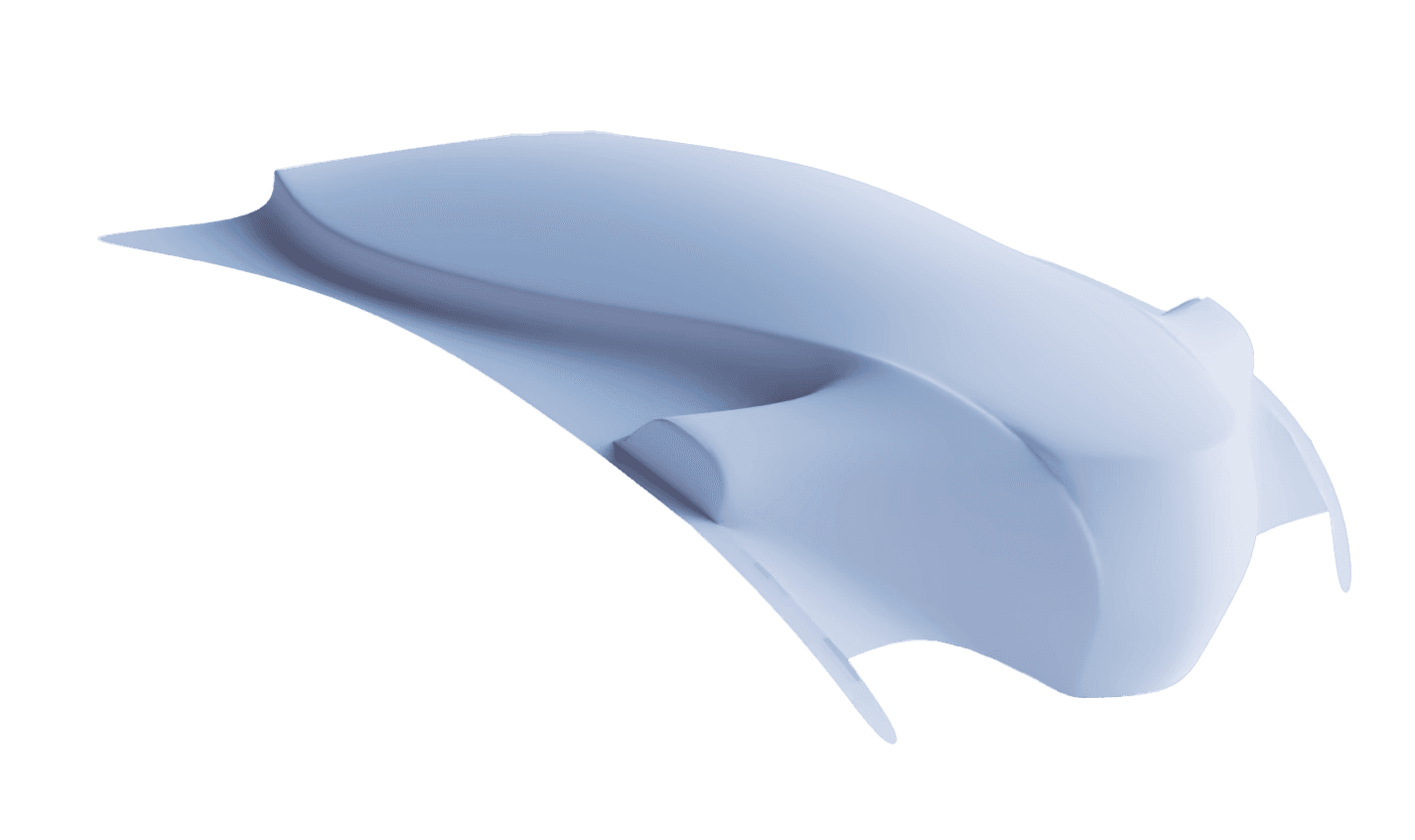
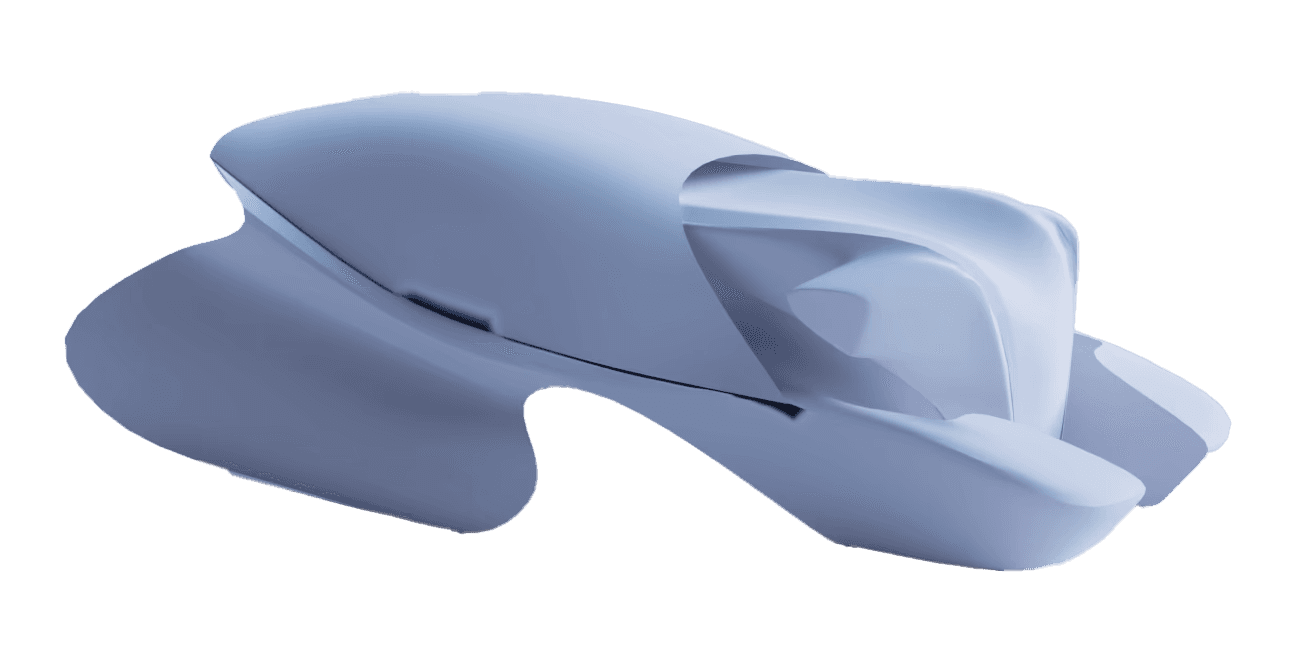
Attributes of inspiration
Small
Hard-shelled
Soft-bodied
Clawed
Antennaed
Armored
Rough-textured
Angular
Spiral Gripping
Bulbous
Layered
Attributes of
lunar rover
Modular / Adaptable
Protective / Shell-bound
Self-contained (Compact)
Gripping / Clasping
Asymmetrical / Offset
Articulated / Flexible
Curved / Spiraled
Resilient / Tough
Segmented / Modular
Articulation Self-sufficient
Sensory / Antennae-like Sensing
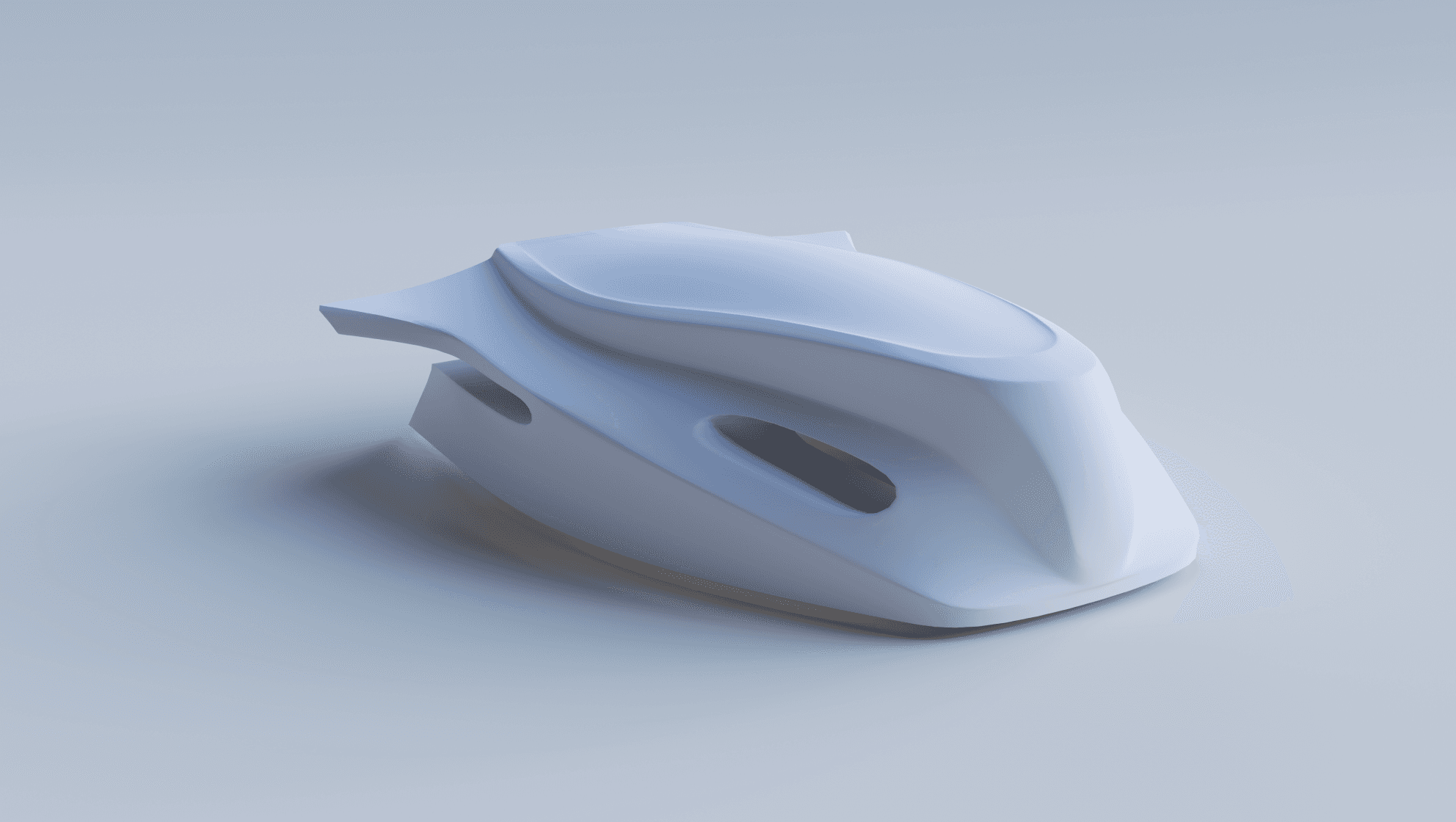
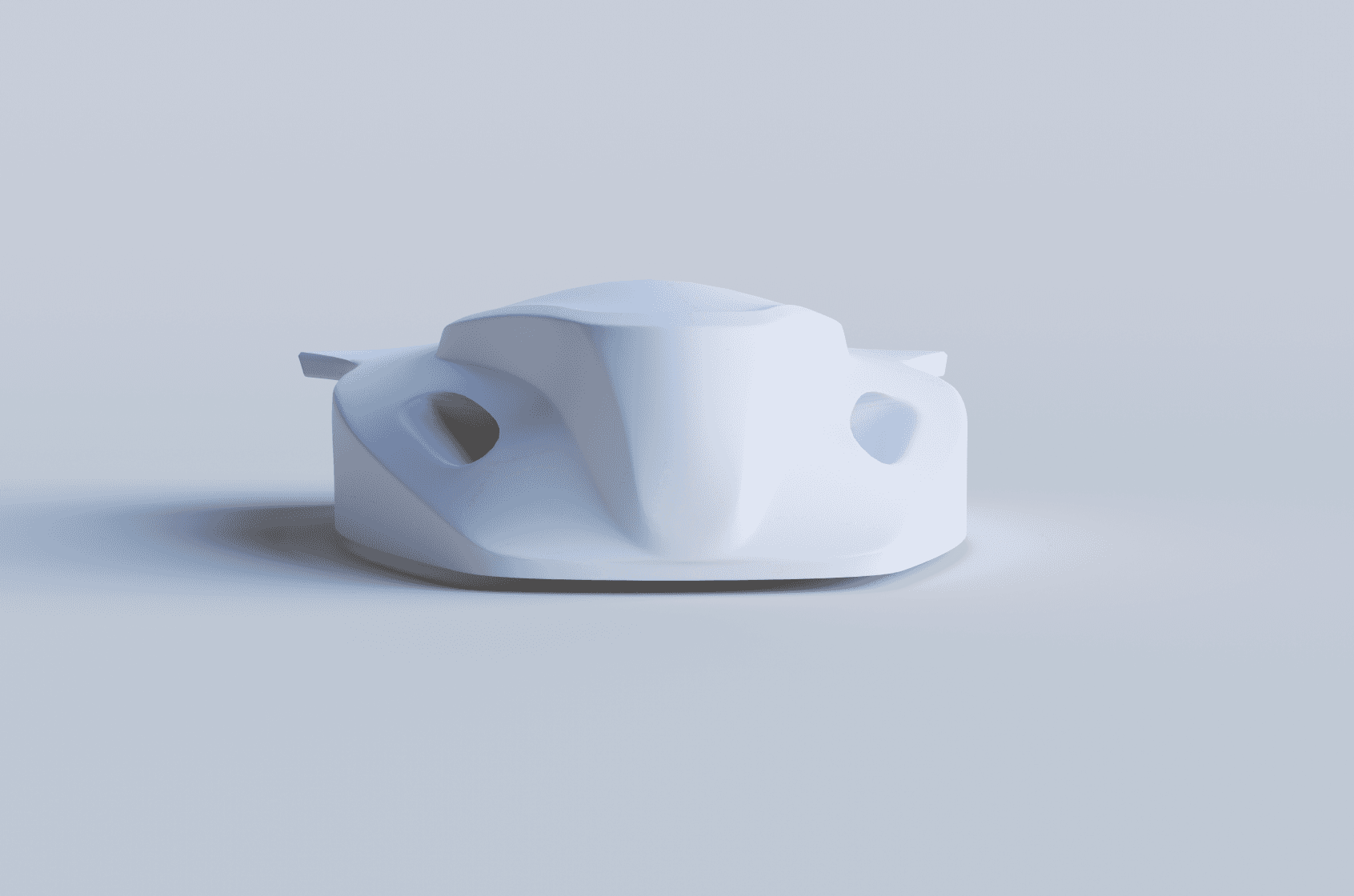
Final Form
ENDYMION
Welcome to the Future