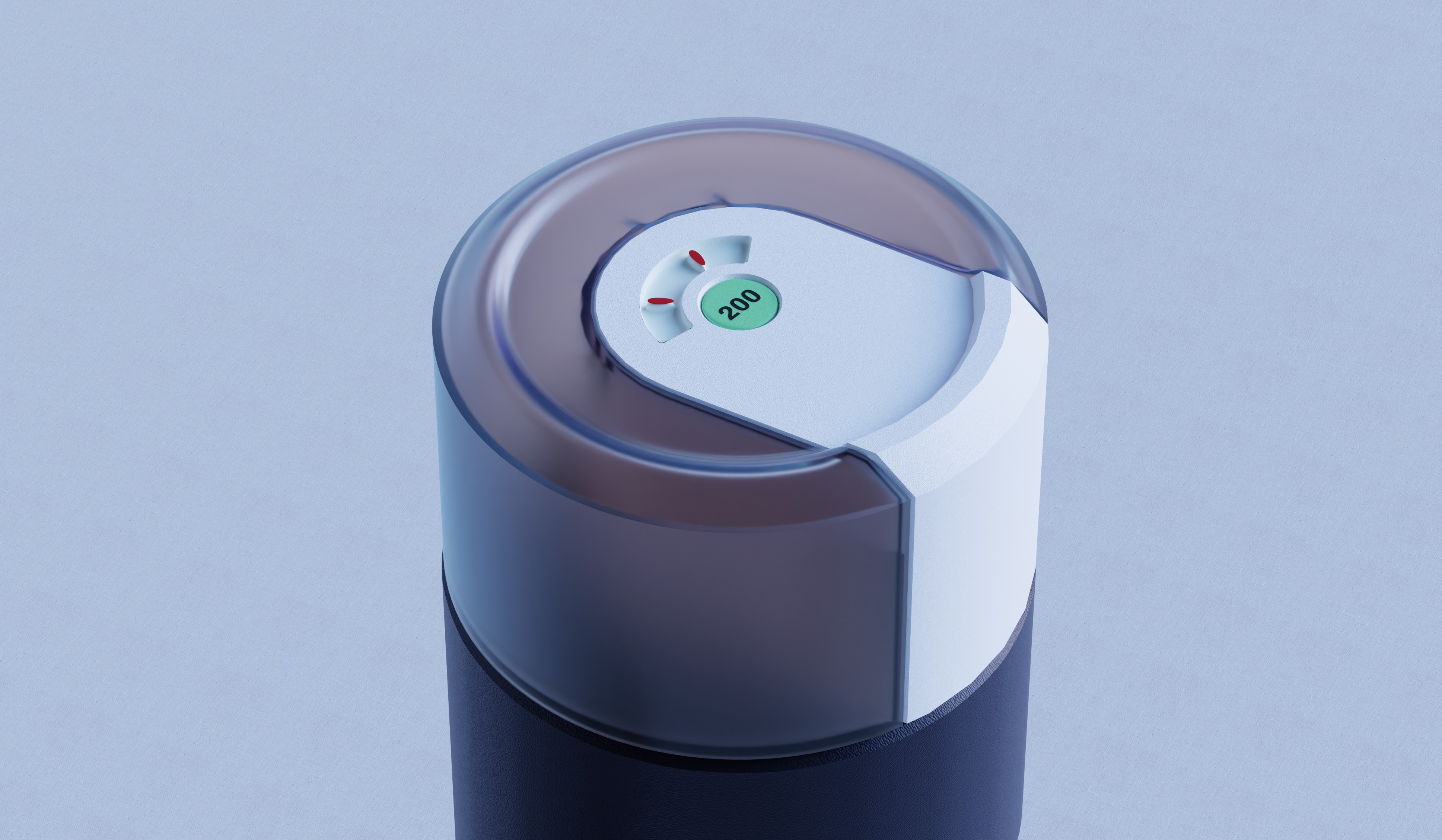
Current inhaler designs prioritize manufacturing efficiency, cost reduction, and compactness over inclusivity and user experience.
The form factor has remained largely unchanged for decades because it is optimized for mass production and portability rather than diverse ergonomic needs.
Designers and manufacturers may assume that caregivers or doctors will guide patients through proper use, placing less emphasis on intuitive, self-reliant operation. Additionally, regulatory approval processes often focus on drug delivery effectiveness rather than the usability of the device itself, leading to designs that technically function but overlook real-world accessibility challenges across different age groups and abilities.

Primary Research
Photograph taken by Nithin Gopal at
Manisha Old Age Home, Jorhat.
Direct
Observations
01
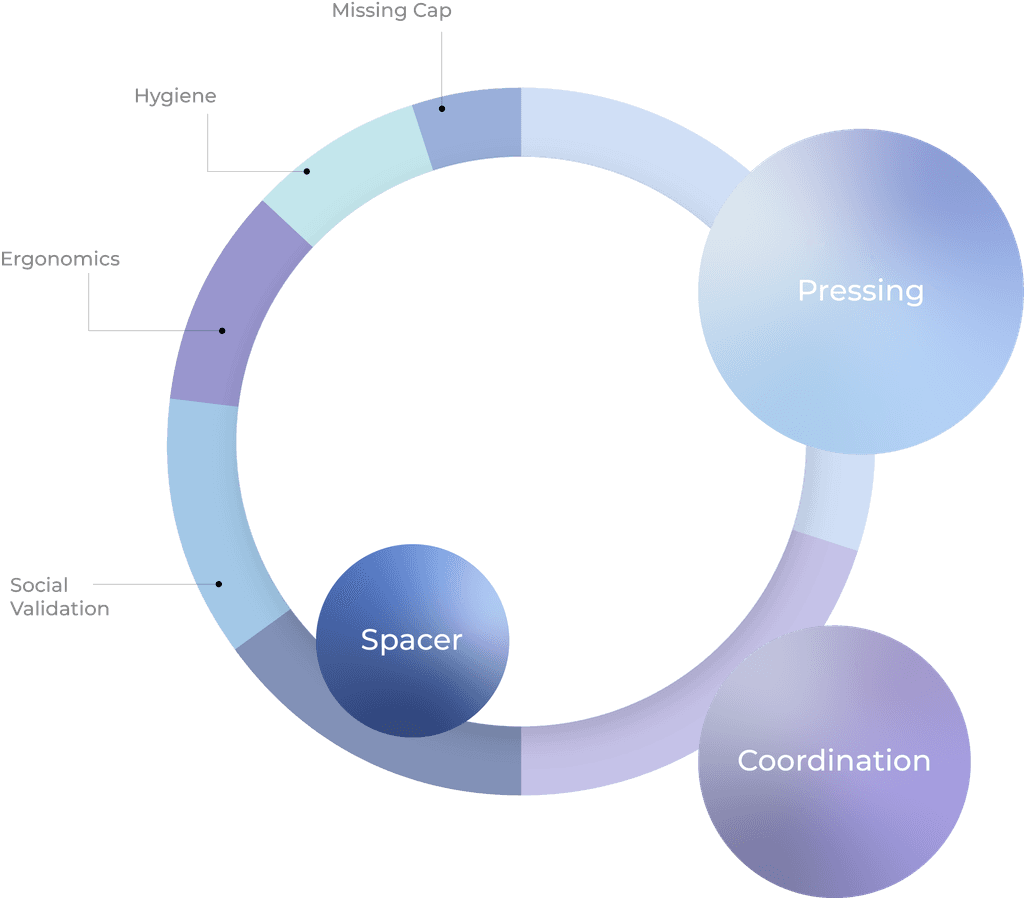
Pressing Difficulty
Children, elderly, and weak-handed users struggle to press the canister.
02
Poor Ergonomics
Inhalers often have poor grip, sharp edges, and low portability.
03
Medication Leakage
Some devices leak medication due to poor design.
04
Spacer Challenges
Spacers are essential but often ignored or hard to attach, not very portable.
01
Pressing Difficulty
Children, elderly, and weak-handed users struggle to press the canister.
02
Pressing Difficulty
Children, elderly, and weak-handed users struggle to press the canister.
05
User Errors
Common errors: wrong inhalation, incorrect sequence, no spacer use.
06
Caps Lost
Caps are easily lost, creating hygiene issues.
of patients do not use their inhalers correctly
Source: Analysis of 1105 patients conducted by the National Library of Medicine
Direct
Observations
01
Ergonomic Form
Better grip, less effort
02
Spacer Integration
Easy, consistent and effective use
03
Secure Caps
Hygienic , attached/locking system
04
Intuitive Use
Simple cues, clear instructions
05
Dose Feedback
Confirm successful Deliver of Dose
06
Travel friendly
Safe, portable, reliable, comfortable
User Persona I
Name: Amrutha
Age: 52
Condition: Asthma since birth, resurfaced in recent years
Pain Points:
Canister too hard to press with one hand.
Needed urgent relief but struggled
with force required.
Lack of trust in dose meter → uncertainty about remaining medication.
Needs:
A design that allows quick, easy one-handed use during emergencies.
A reliable, visible dose counter.
Lightweight, travel-friendly form for urgent accessibility.



01
Pressing
Difficulty
Children, elderly, and weak-handed users struggle to press the canister.

02
Poor Ergonomics
Inhalers often have poor grip, sharp edges, and low portability.
03
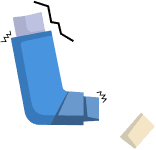
Medication
Leakage
Some devices leak medication due to poor design.
04
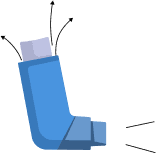
User
Errors
Common errors: wrong inhalation, incorrect sequence, no spacer use.
05
Caps
Lost
Caps are easily lost, creating hygiene issues.

06
Spacer
Challenges
Spacers are essential but often ignored or hard to attach, not very portable.


Project Objective
The project aims to design a universally accessible inhaler solution that improves usability for paediatric, geriatric, and physically challenged users.
By reimagining form, mechanism, and supportive systems, the goal is to reduce hand strain, enhance portability, and integrate essential features like spacers. The design will prioritize inclusivity, safety, and reliability, improving asthma management while empowering users and caregivers alike.
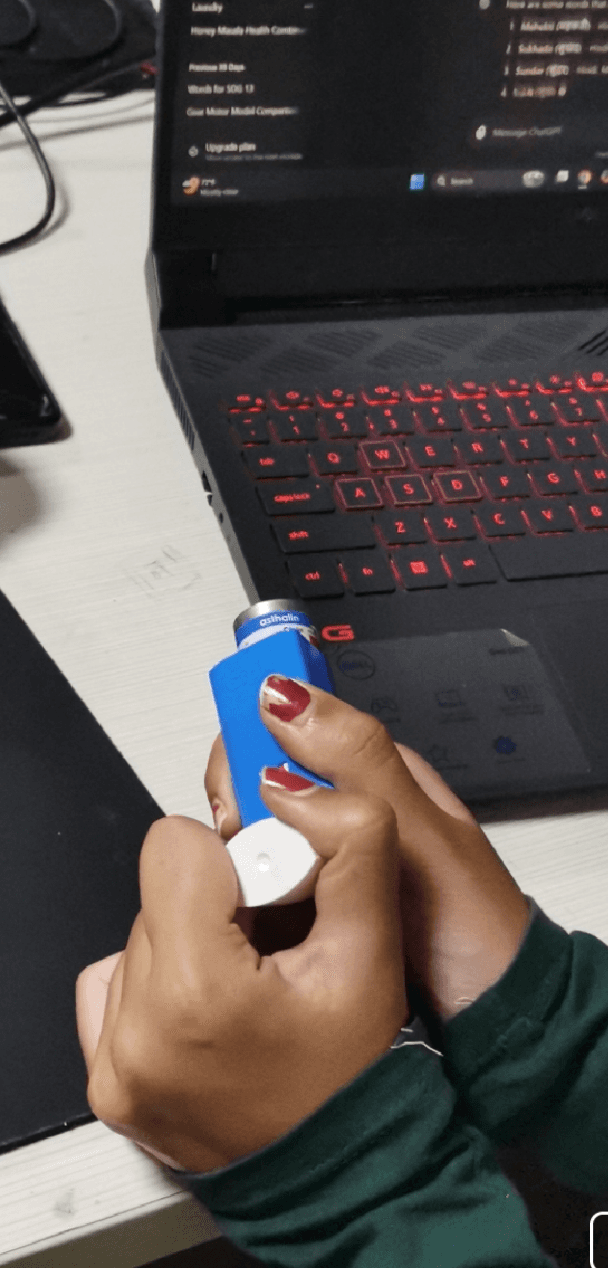
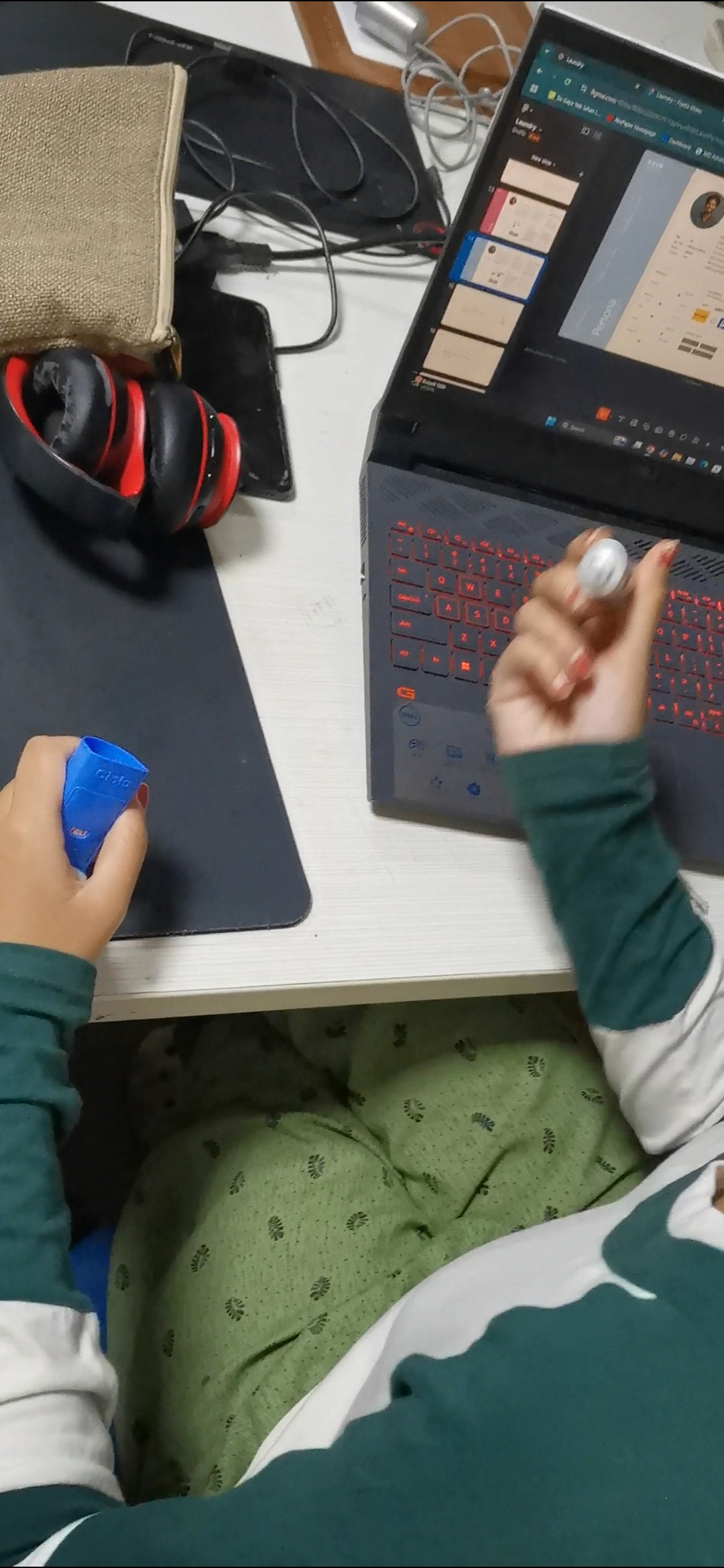
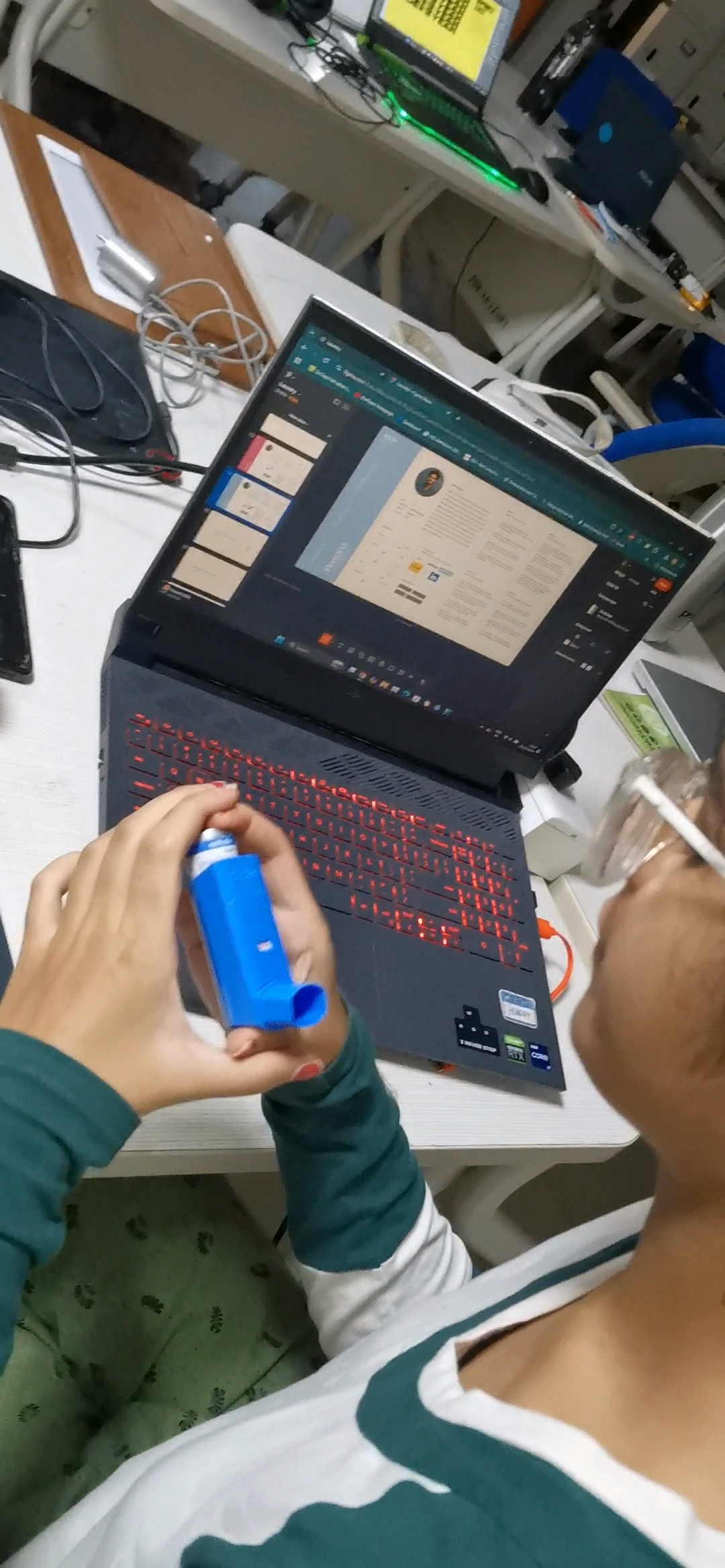
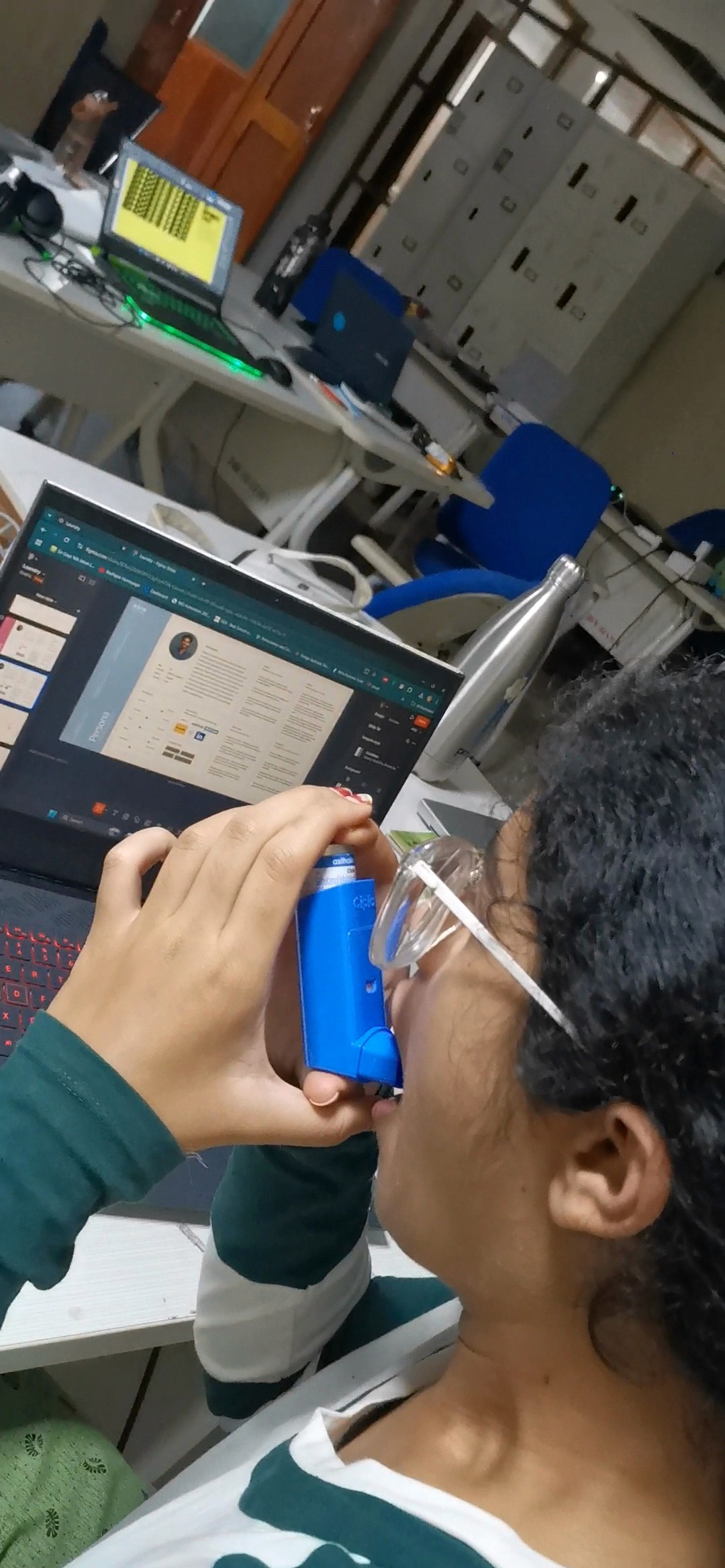
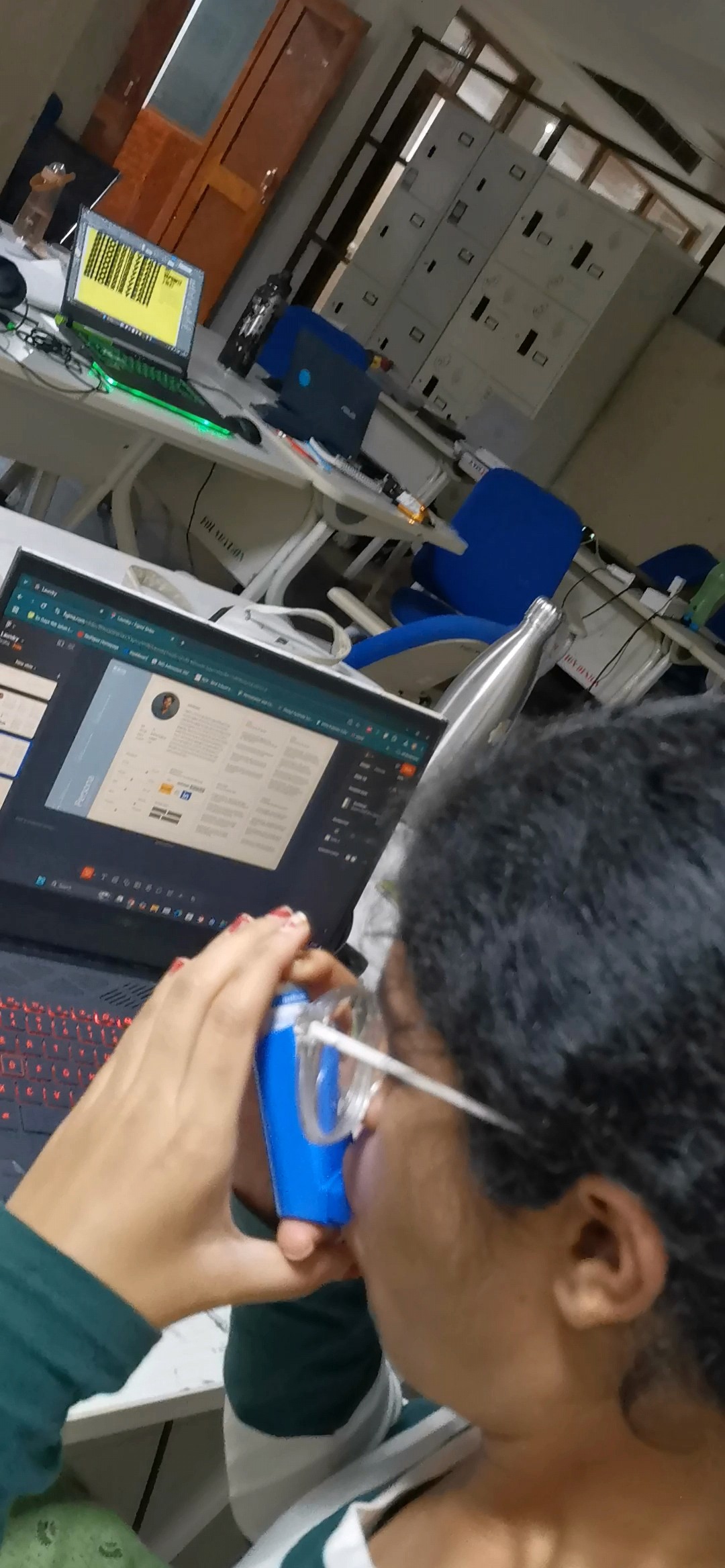

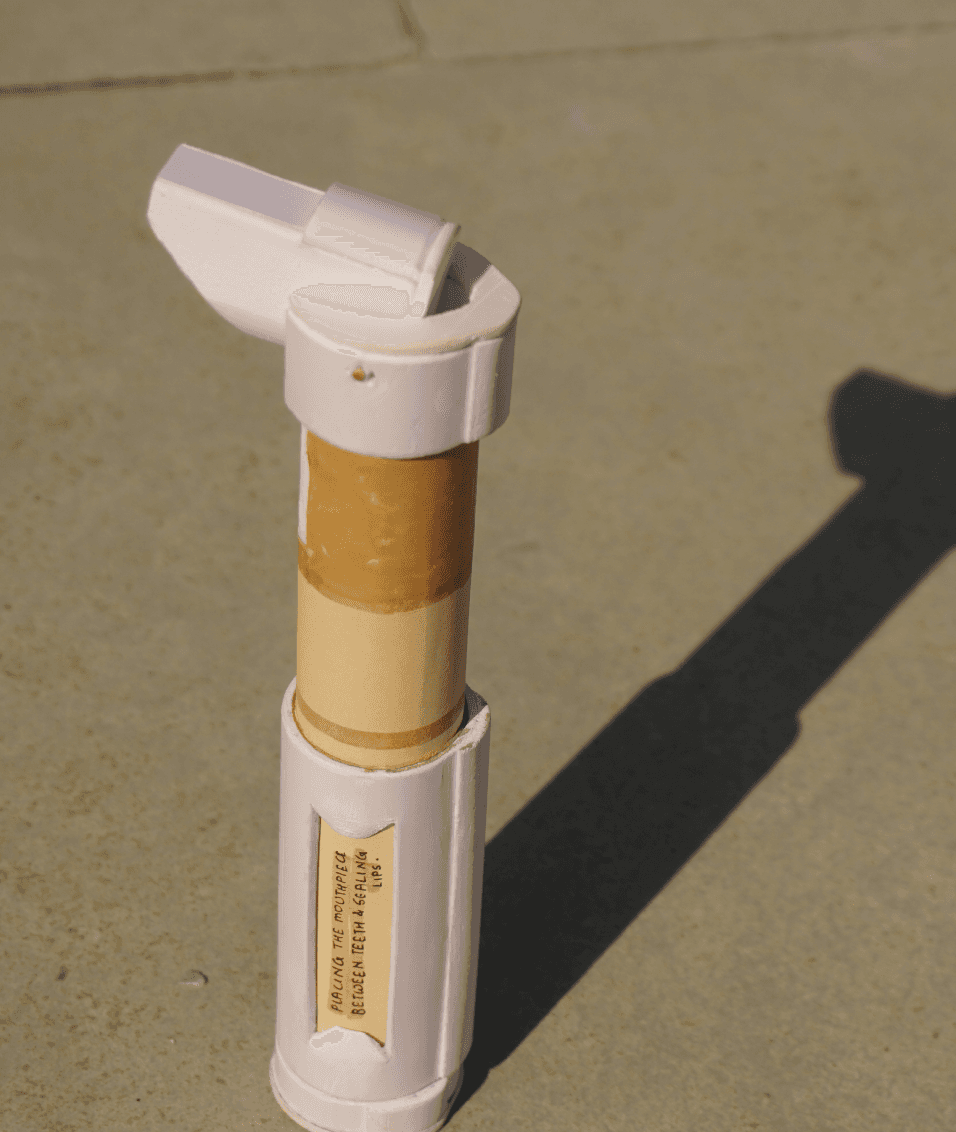
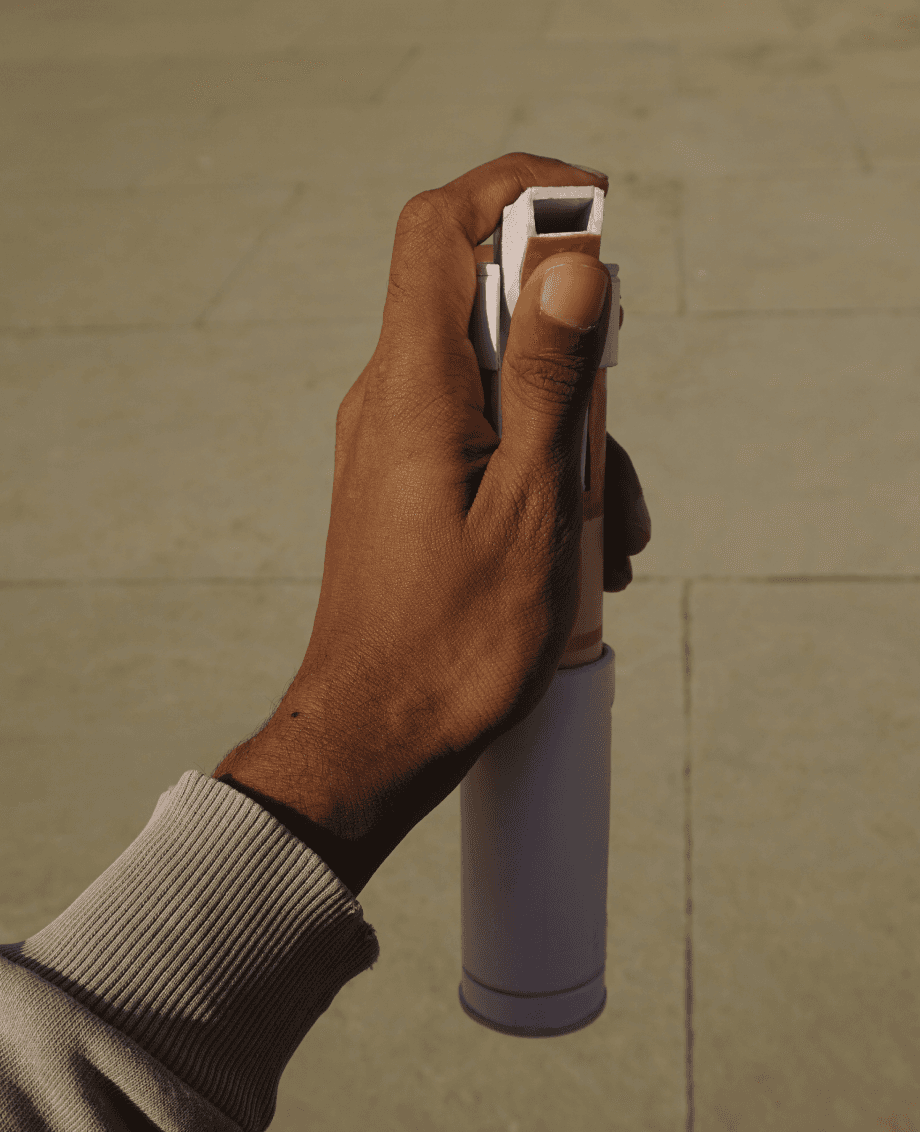
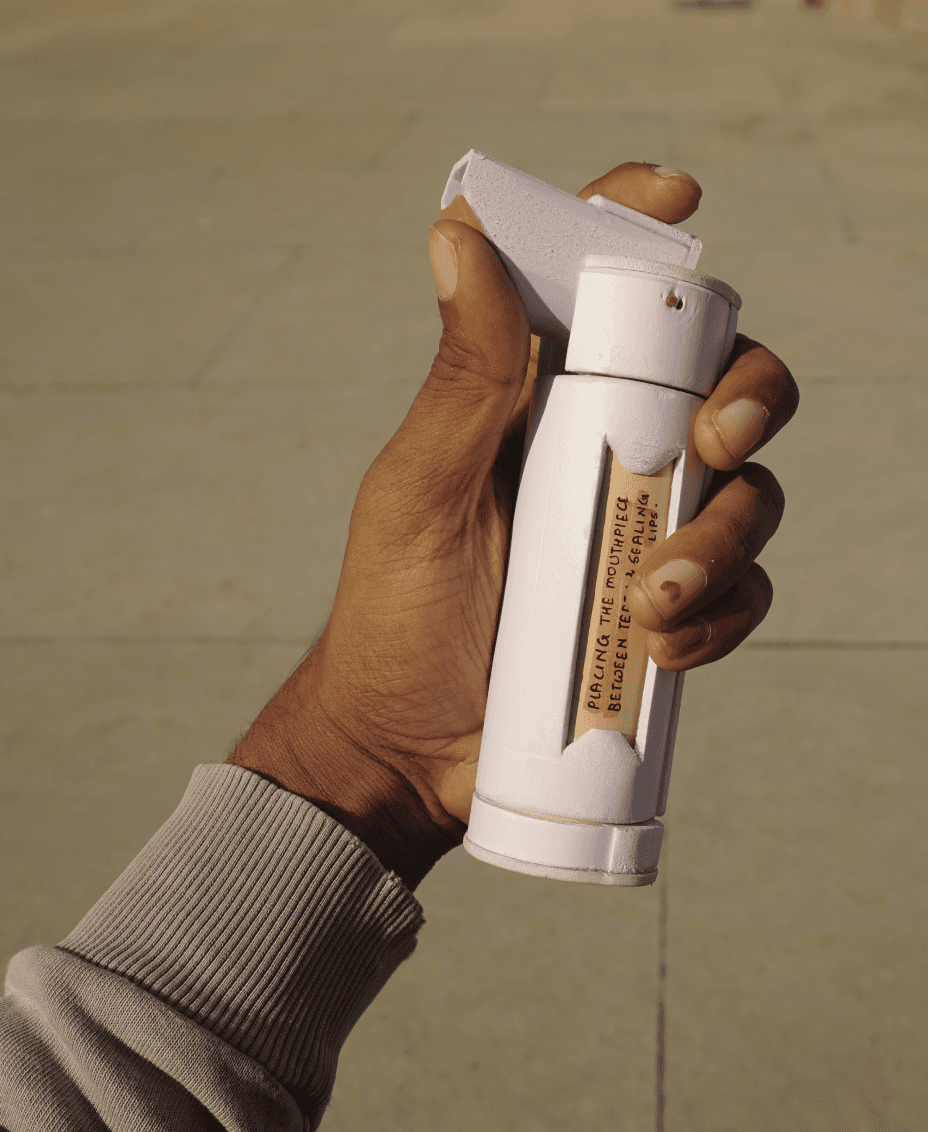
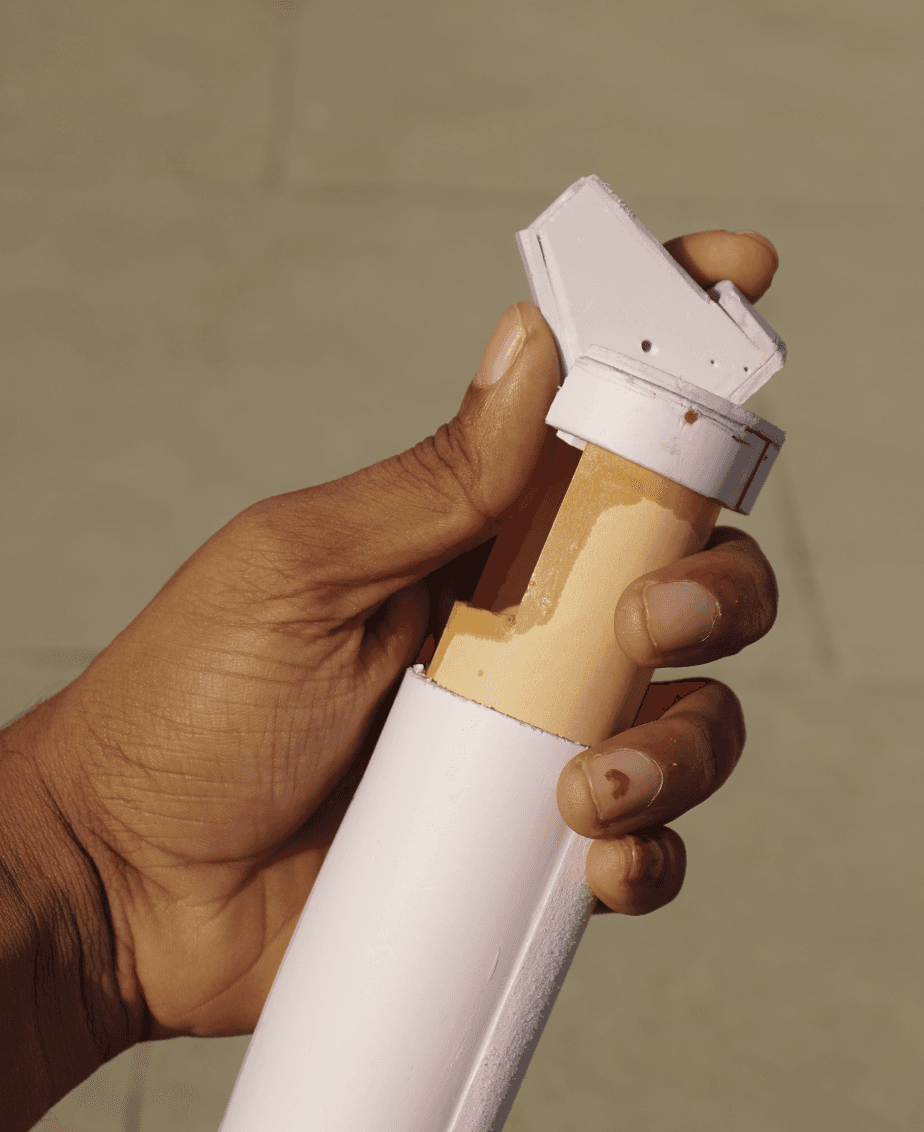
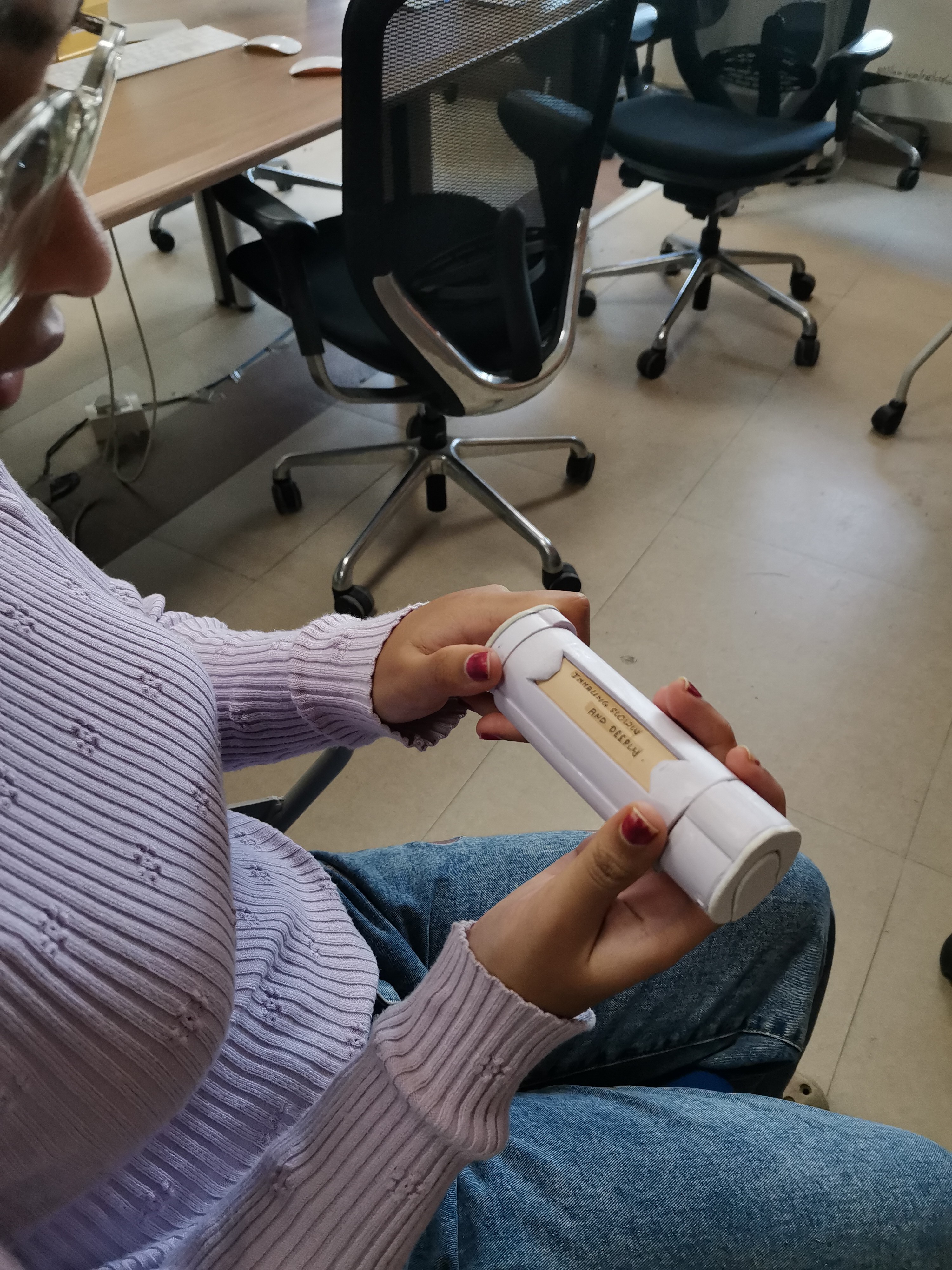
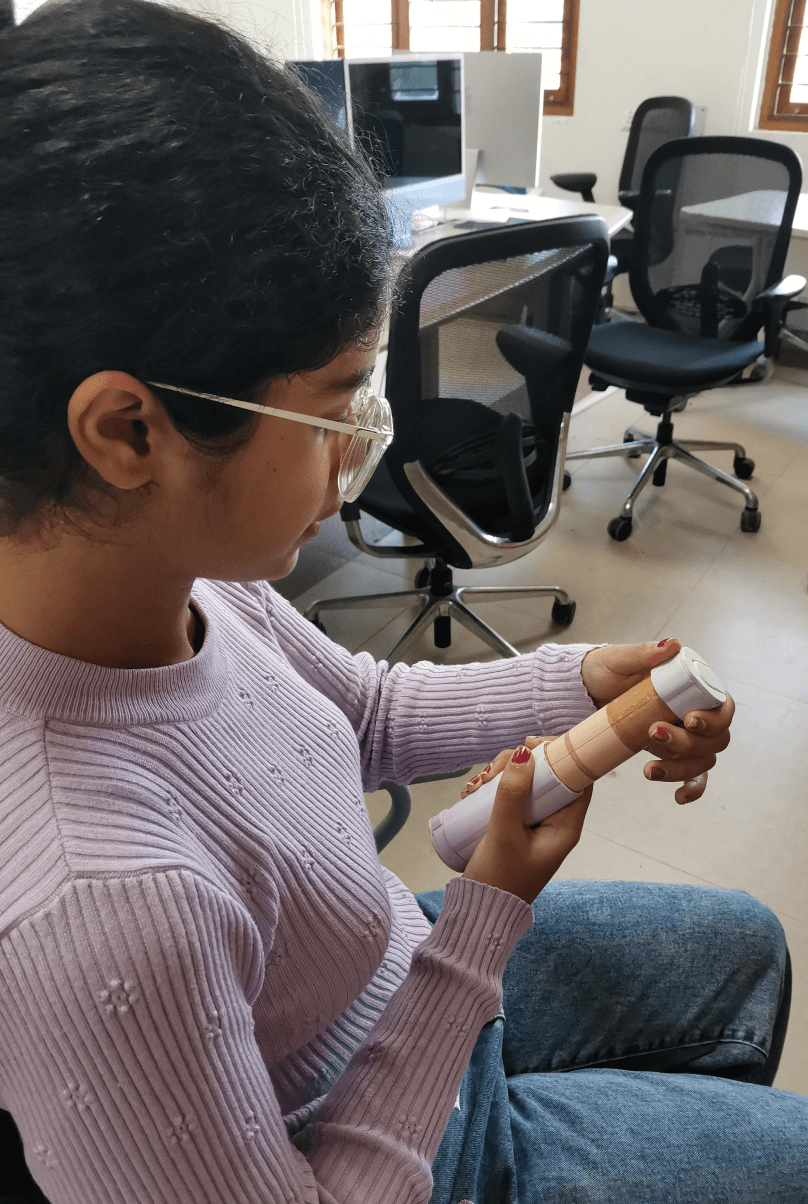
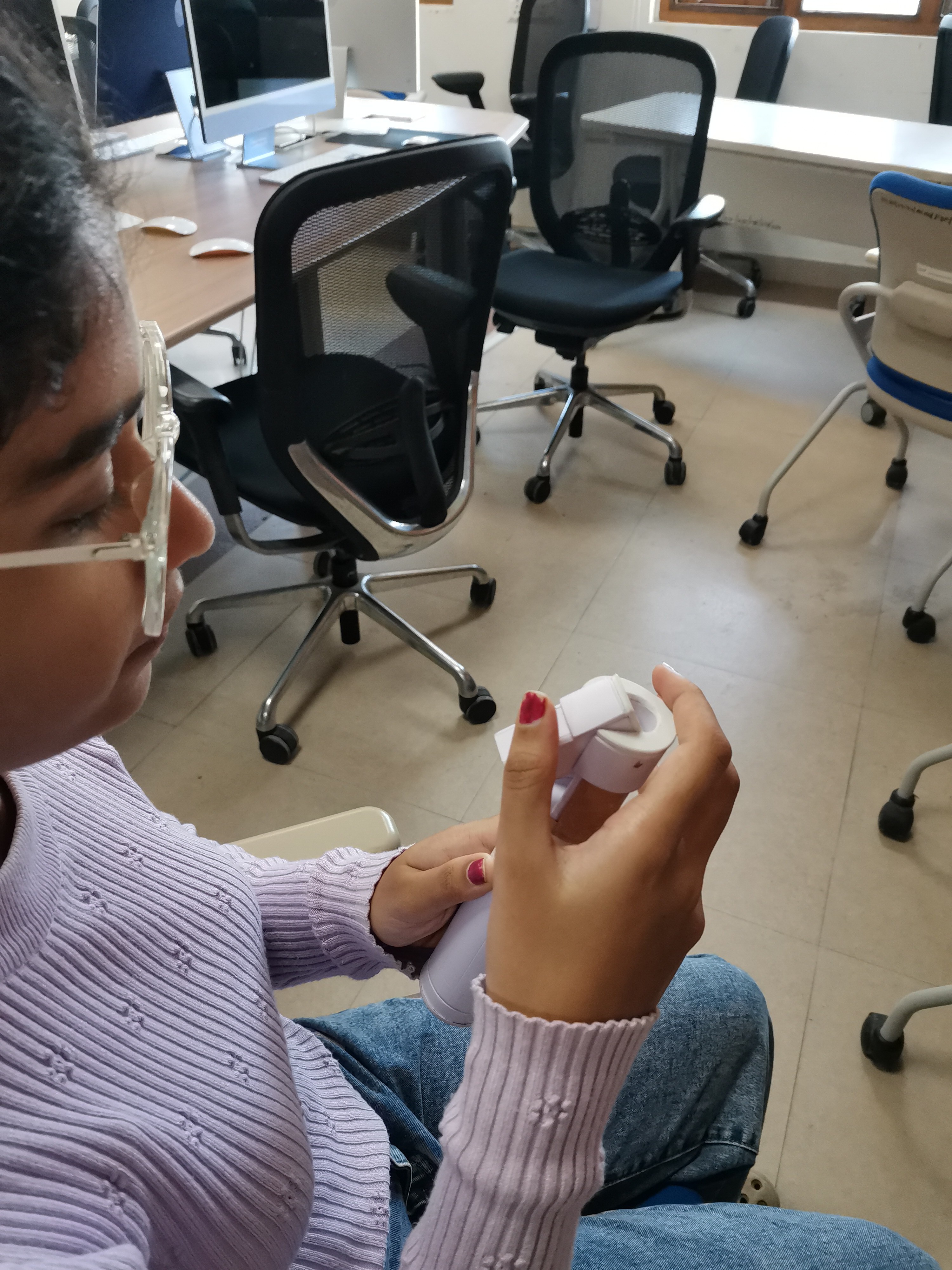
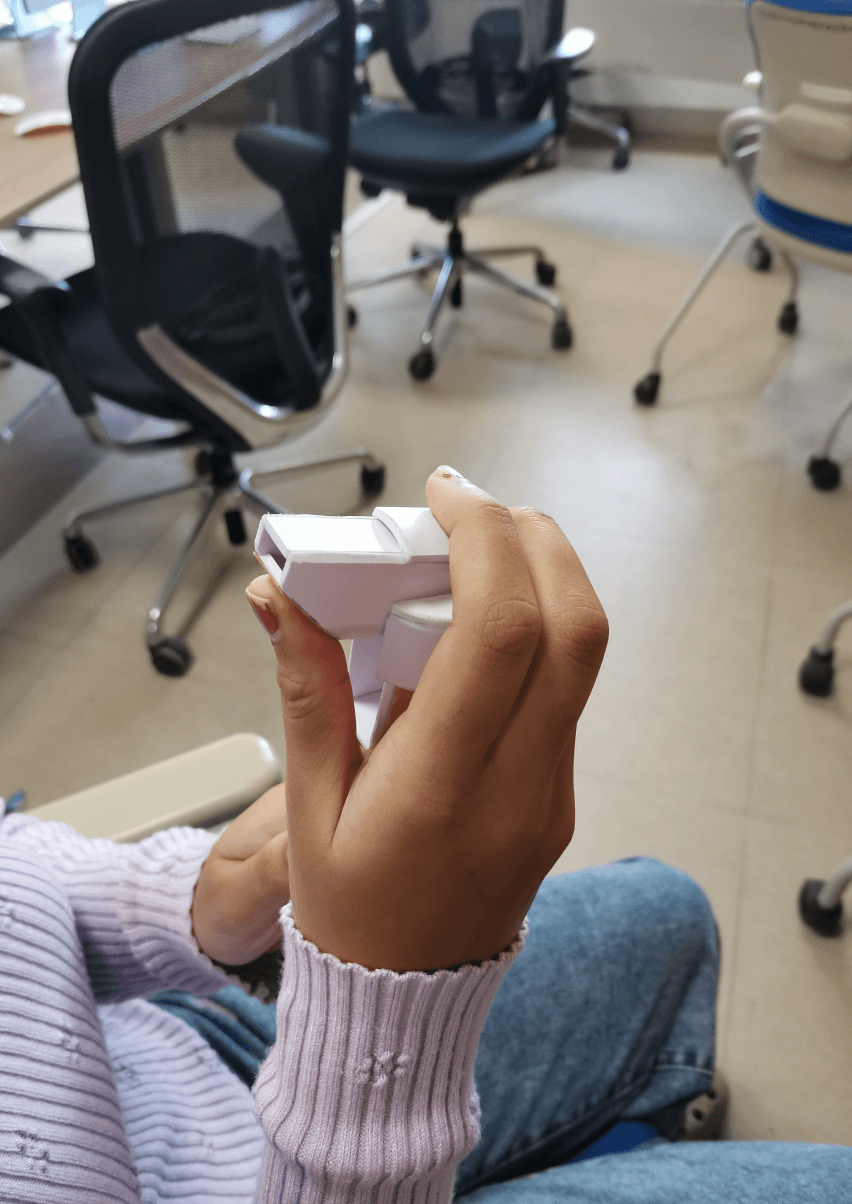
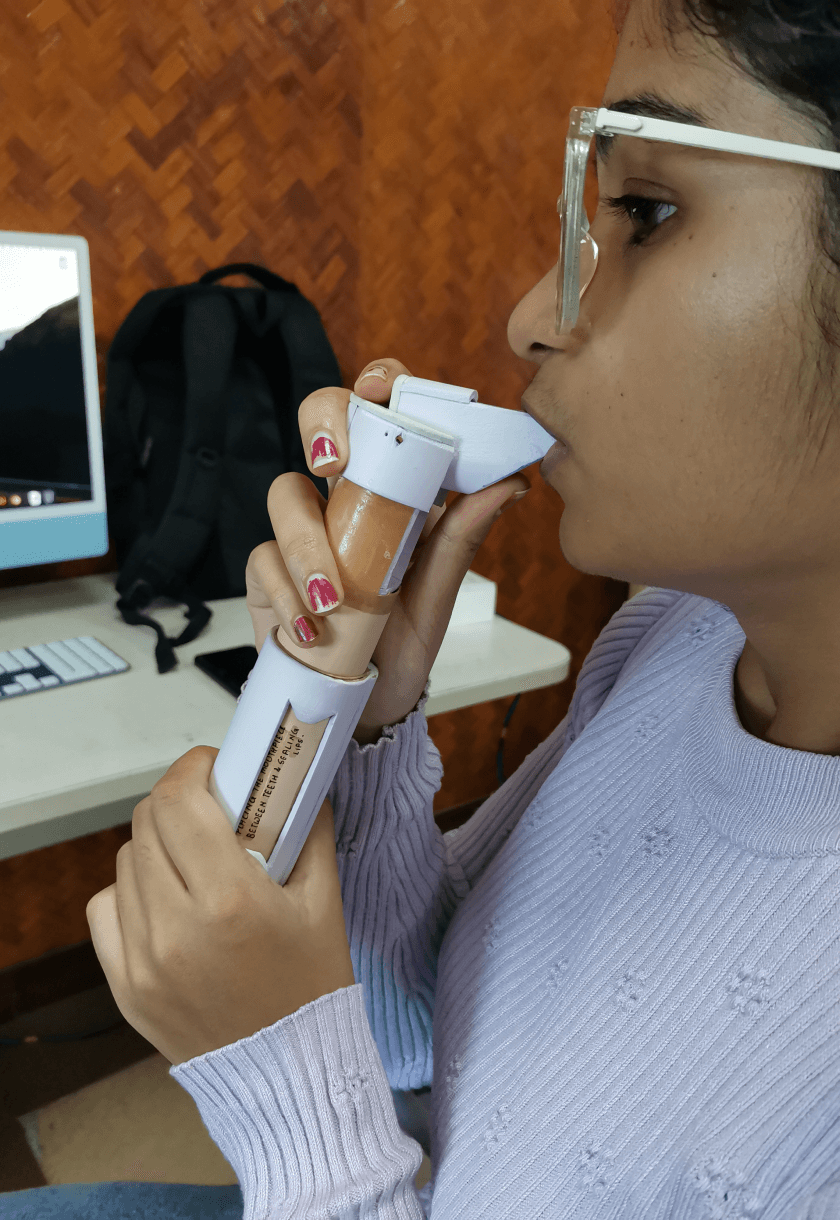
The various images show how the device is held and used, demonstrating its ergonomic and functional aspects during the testing process.
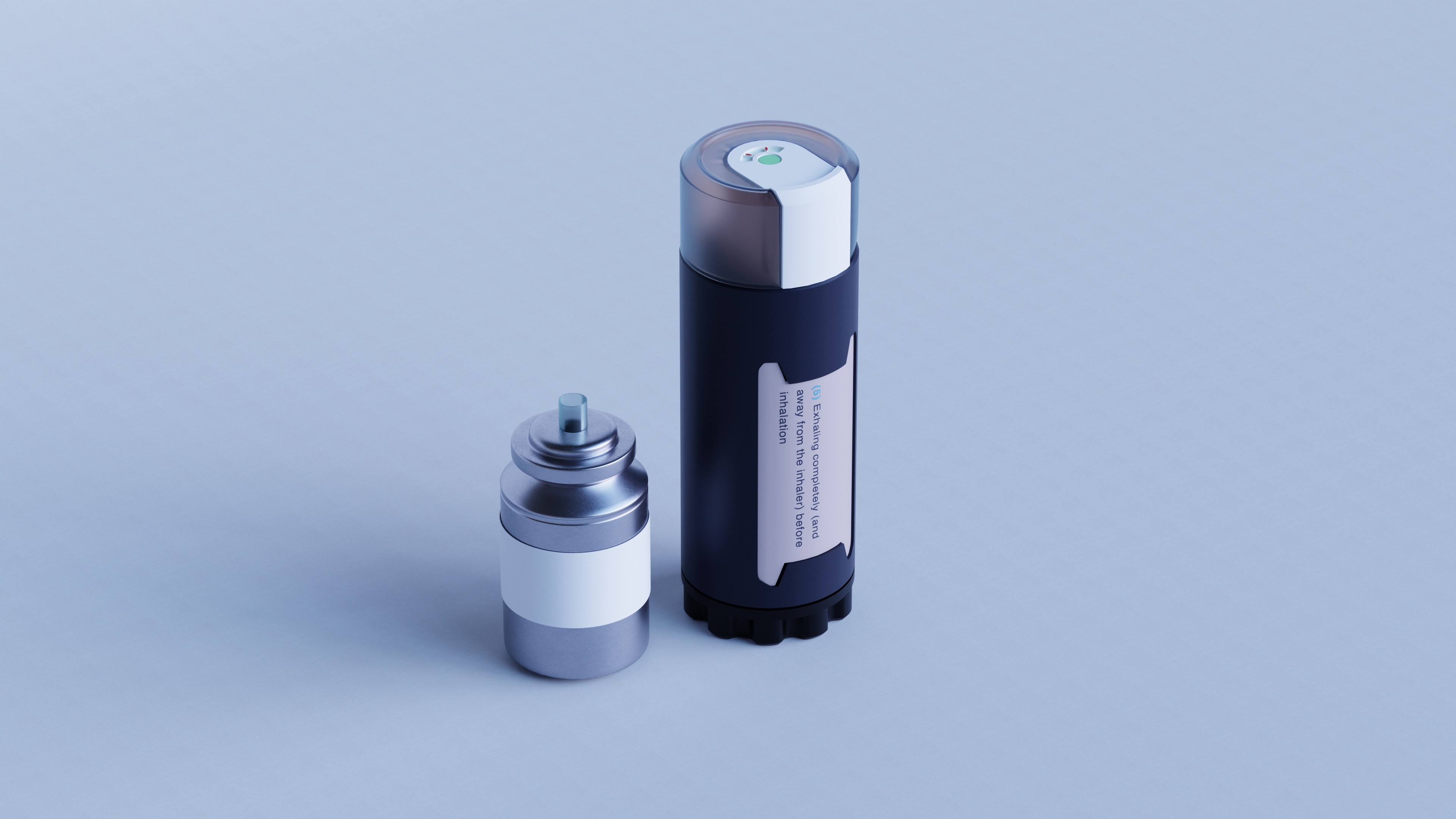
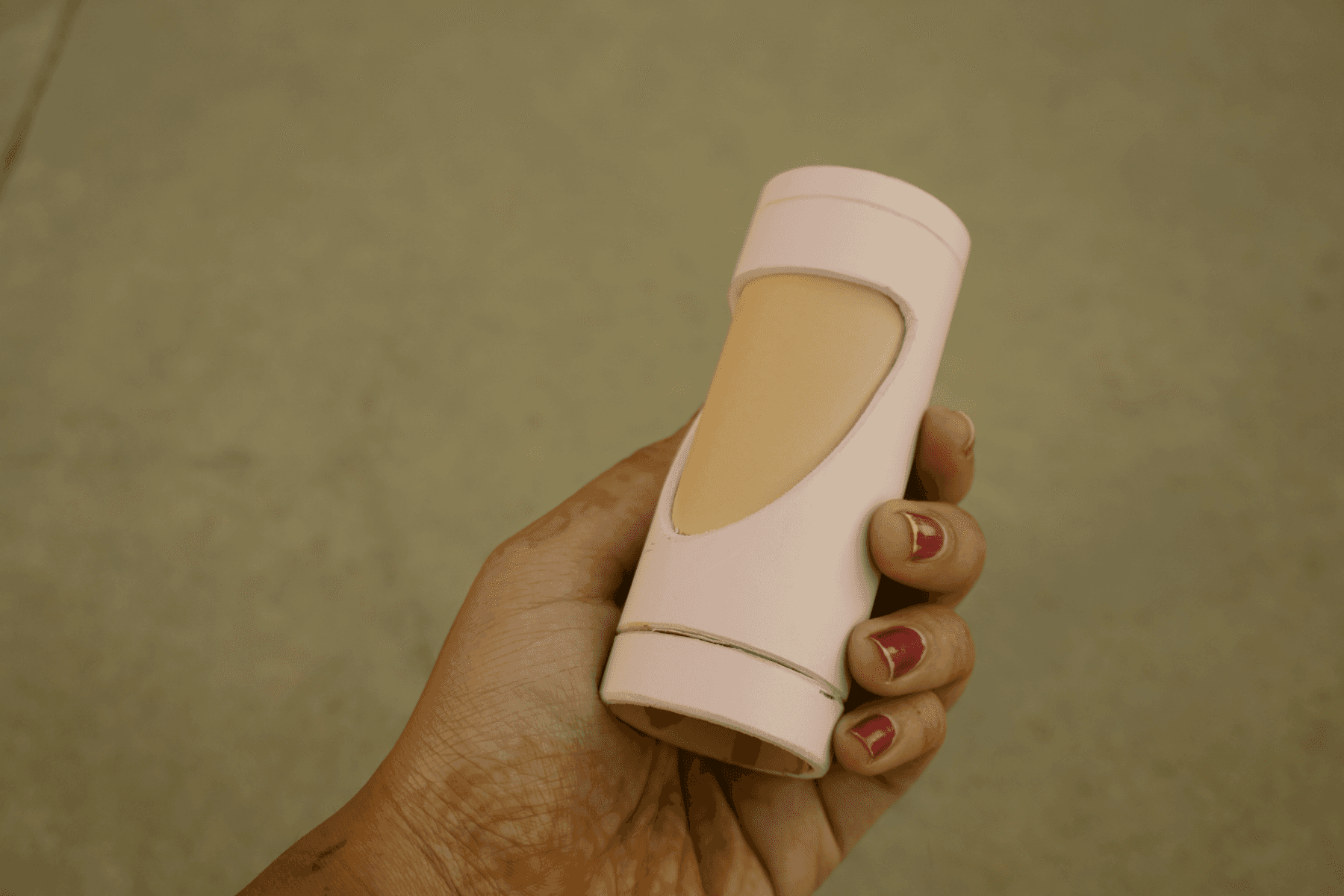
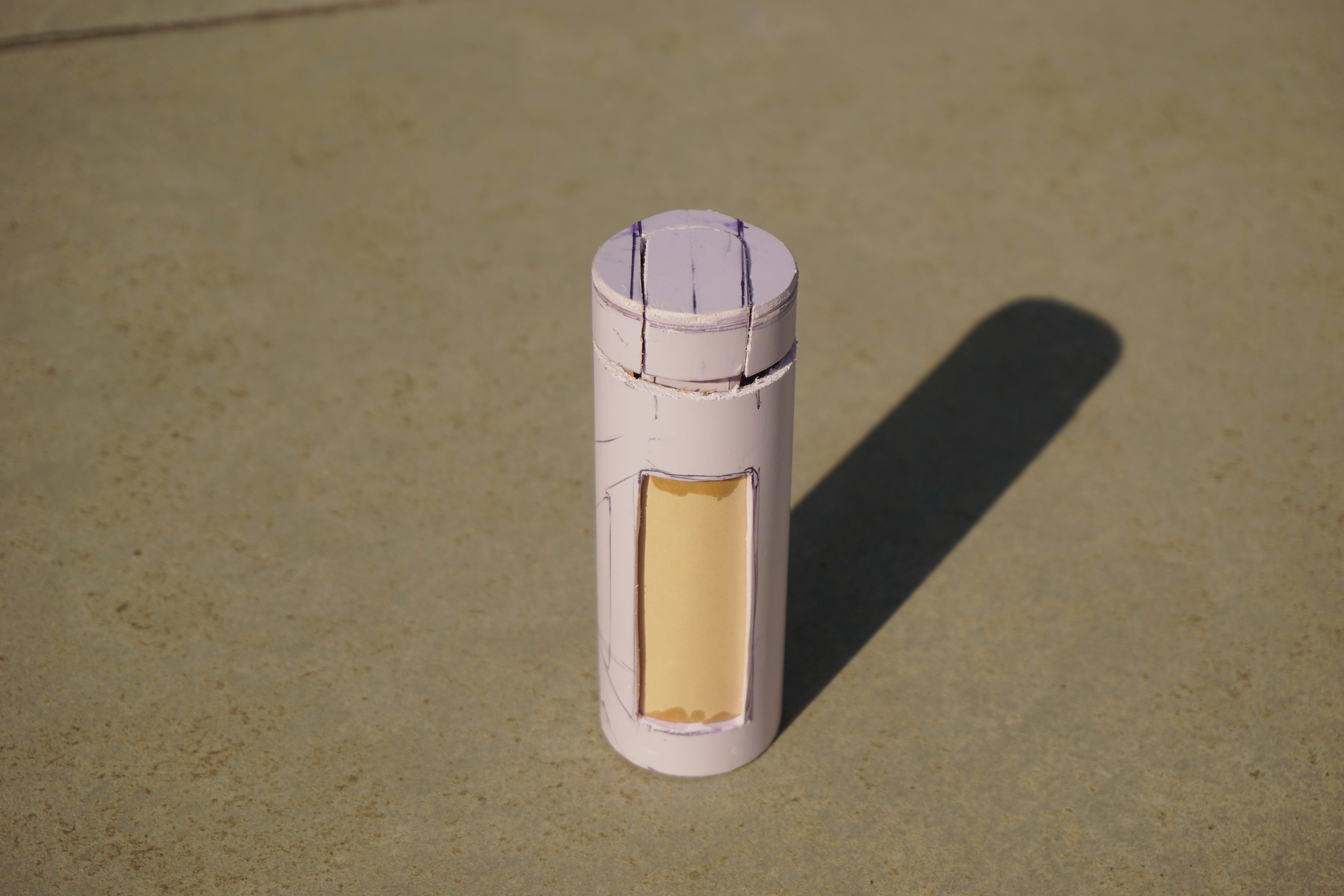
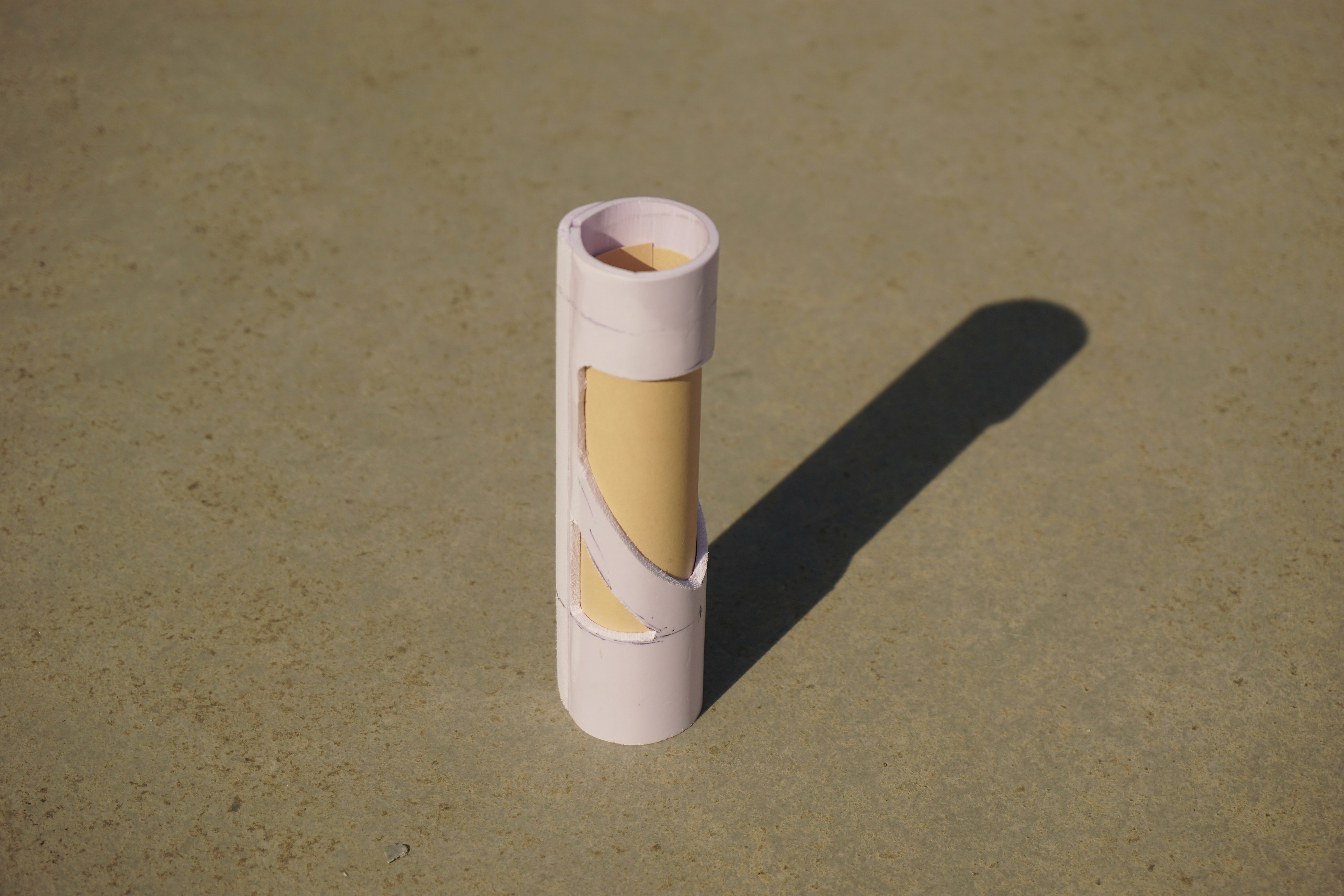
Initial Mockups
The device features an automatic actuator and includes a portable spacer. The design's key features focus on ease of use, with all 12 steps of the process being clearly visible to the user
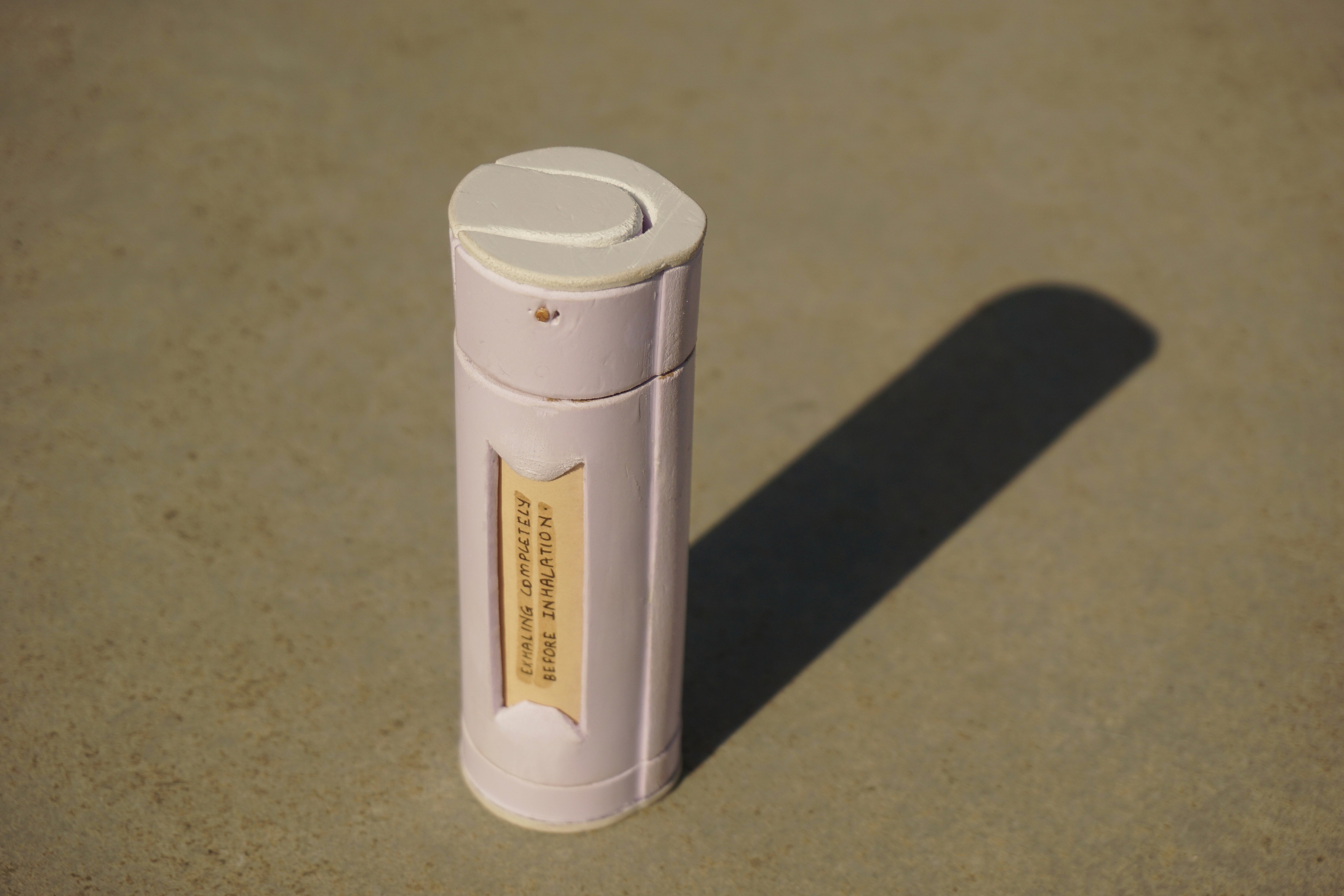
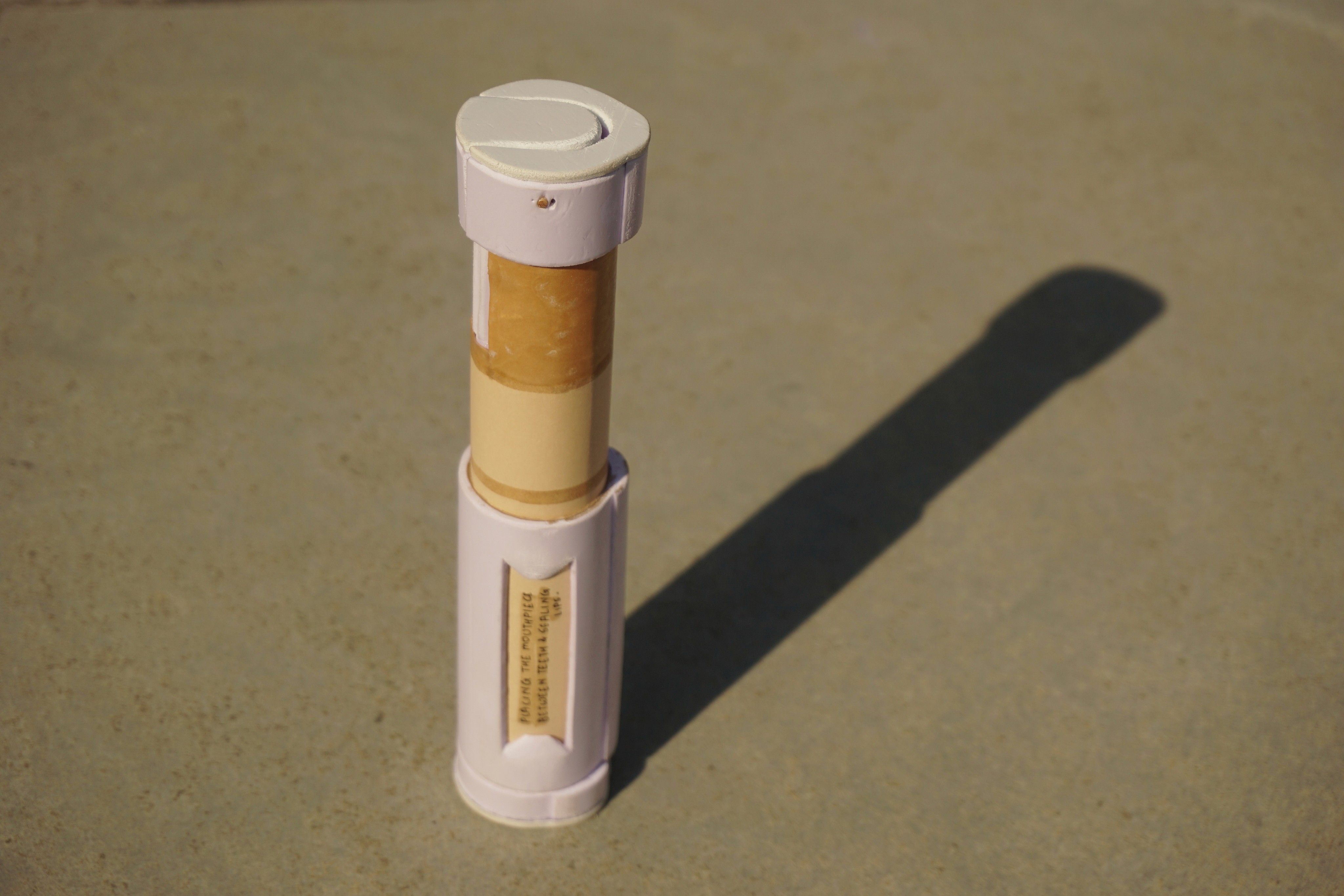
A significant aspect of the design is visible cleanliness, achieved by a mechanism that does not expose the mouthpiece and spacer when not in use. Additionally, the device incorporates a haptic feedback mechanism that acts as a counter, likely from 1 to 3, to assist with coordination during use.
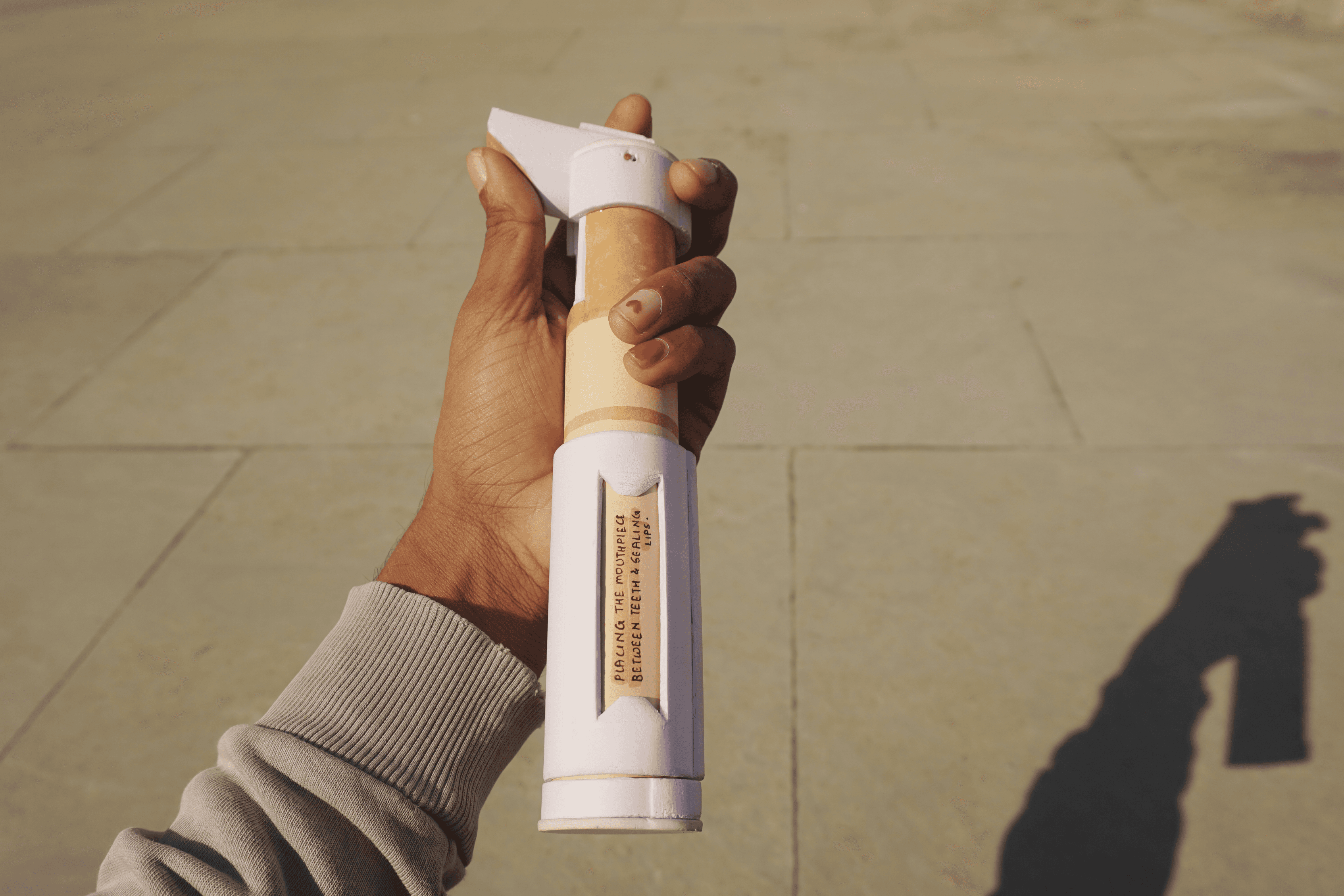
The design incorporates a feedback mechanism and a press and spring mechanism for the mouthpiece. The testing also highlights the visibility of the actuator button, suggesting that the design prioritizes a clear and intuitive user experience.